
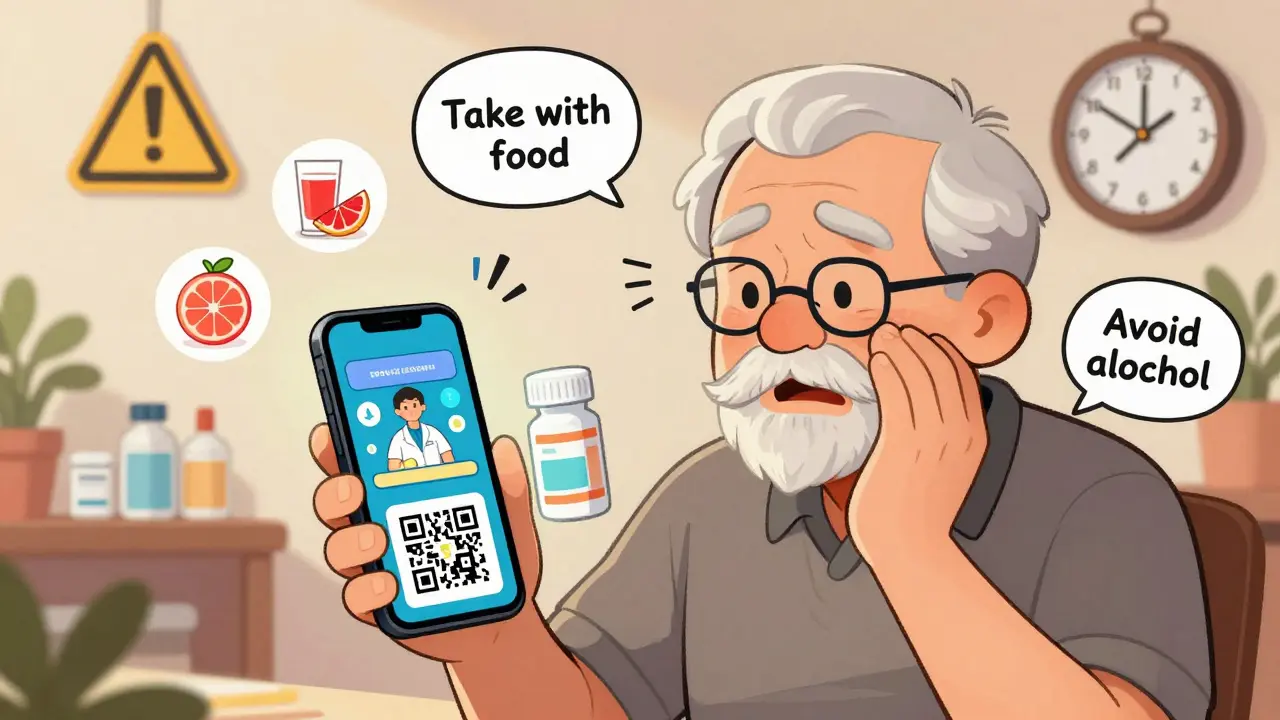

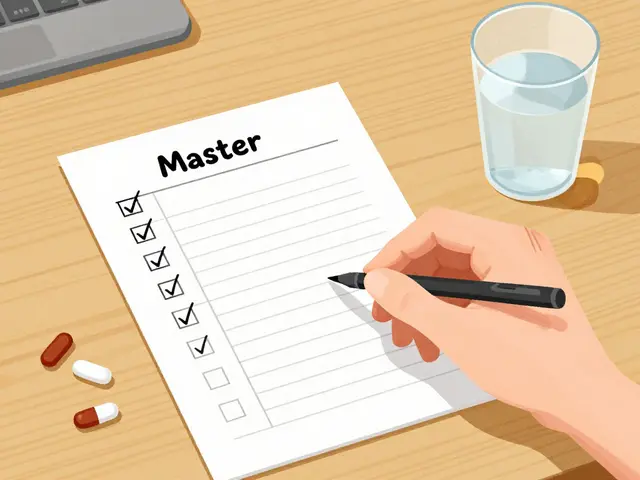
Imagine this: you’re holding a bottle of your daily blood pressure pill. The label has tiny print you can barely read. You’re tired. You’re confused. You don’t remember if you took it this morning. Now imagine scanning a QR code on that bottle with your phone-and instantly seeing a clear video of how to take it, a list of foods to avoid, a reminder to check your blood pressure, and even a button to call your pharmacist. That’s not science fiction. It’s happening right now in pharmacies across Australia, the U.S., and Europe.
Why QR Codes on Prescription Labels Matter
QR codes on prescription labels aren’t just a tech gimmick. They’re a safety tool. In 2023, a study by Freyr Solutions found that using QR codes on medication packaging reduced medication errors by 43%. That’s not a small number. It means fewer people are taking the wrong dose, mixing dangerous drugs, or missing critical warnings because the label was too small to read. Before QR codes, patients had to rely on printed inserts-often written in dense medical jargon. Now, a simple scan gives you audio instructions, interactive timers, and even video demonstrations. For older adults, people with low vision, or those who don’t speak English as a first language, this is life-changing.Static vs. Dynamic QR Codes: What’s the Difference?
Not all QR codes are created equal. There are two main types: static and dynamic. Static QR codes point to one fixed website or document. Once printed, you can’t change them. If the medication’s safety info updates, you’d need to reprint the entire label. That’s expensive and slow. Dynamic QR codes are what most pharmacies and drugmakers use today. They can be updated remotely. If a new drug interaction is discovered, the link behind the QR code can be changed instantly-no new labels needed. These codes also track scans: where they’re scanned, what phone was used, how long someone spent on the page. This helps pharmacies understand what patients need most. In 2023, 88% of pharmaceutical QR codes were dynamic. Only 12% were static. That’s because dynamic codes save money, reduce waste, and improve safety.What Information Should a Digital Prescription Label Show?
When you scan a QR code on a prescription bottle, what should you see? Here’s what’s required by global standards like Singapore’s Health Sciences Authority and recommended by the FDA:- Medication name and strength
- Exact dosing instructions (e.g., “Take one tablet by mouth once daily with food”)
- Why you’re taking it (indication)
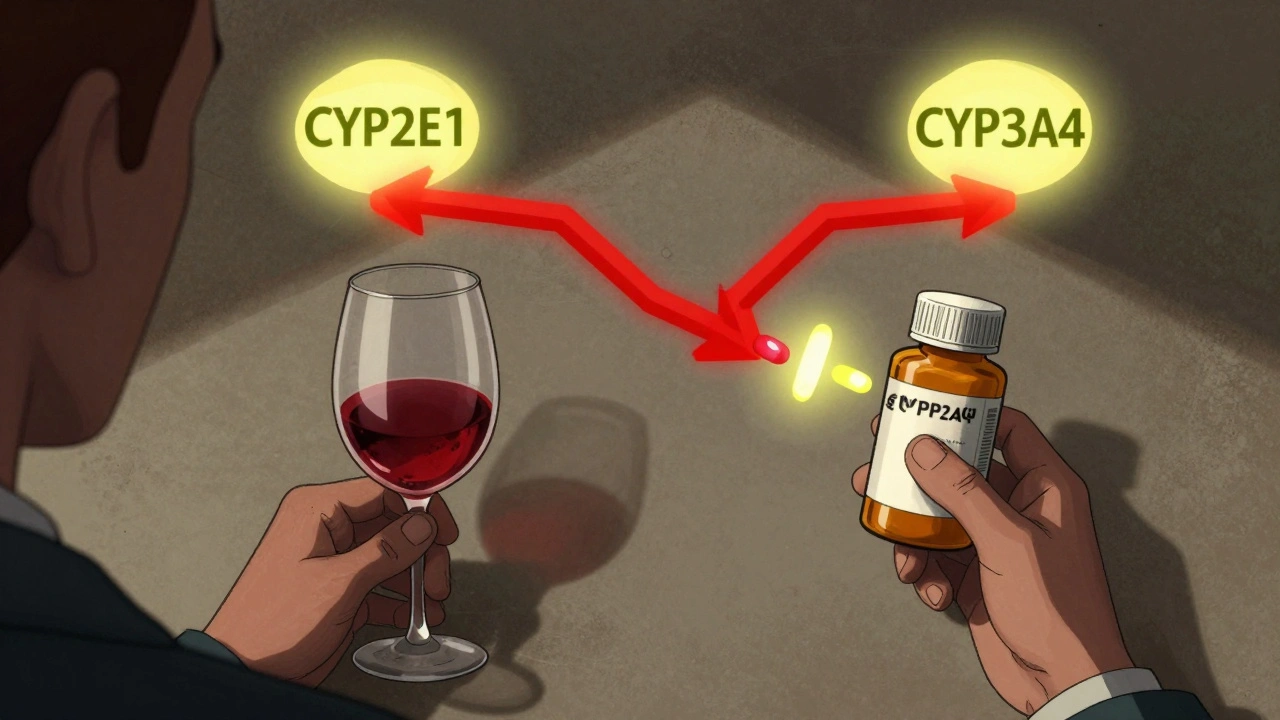
- Warnings: allergies, pregnancy risks, alcohol interactions
- Common side effects and when to call a doctor
- Drug interactions: what other meds or supplements to avoid
- Storage instructions
- How to dispose of unused pills
- Link to patient support programs or free samples
How to Scan a QR Code on a Prescription Label
Scanning is simple, but many people don’t know how to do it right. Here’s how:- Open your phone’s camera app. Most modern phones (iPhone 7 or newer, Android 8 or newer) can scan QR codes without an app.
- Hold your phone 6-12 inches from the label. Make sure the entire QR code is in view.
- Don’t use flash or zoom. Natural light works best.
- If nothing happens, try switching to your phone’s QR scanner app (like Google Lens or Apple’s built-in scanner).
- Once scanned, the link will open in your browser. Wait a few seconds-it may take a moment to load.
How Pharmacies Are Using Digital Prescription Labels
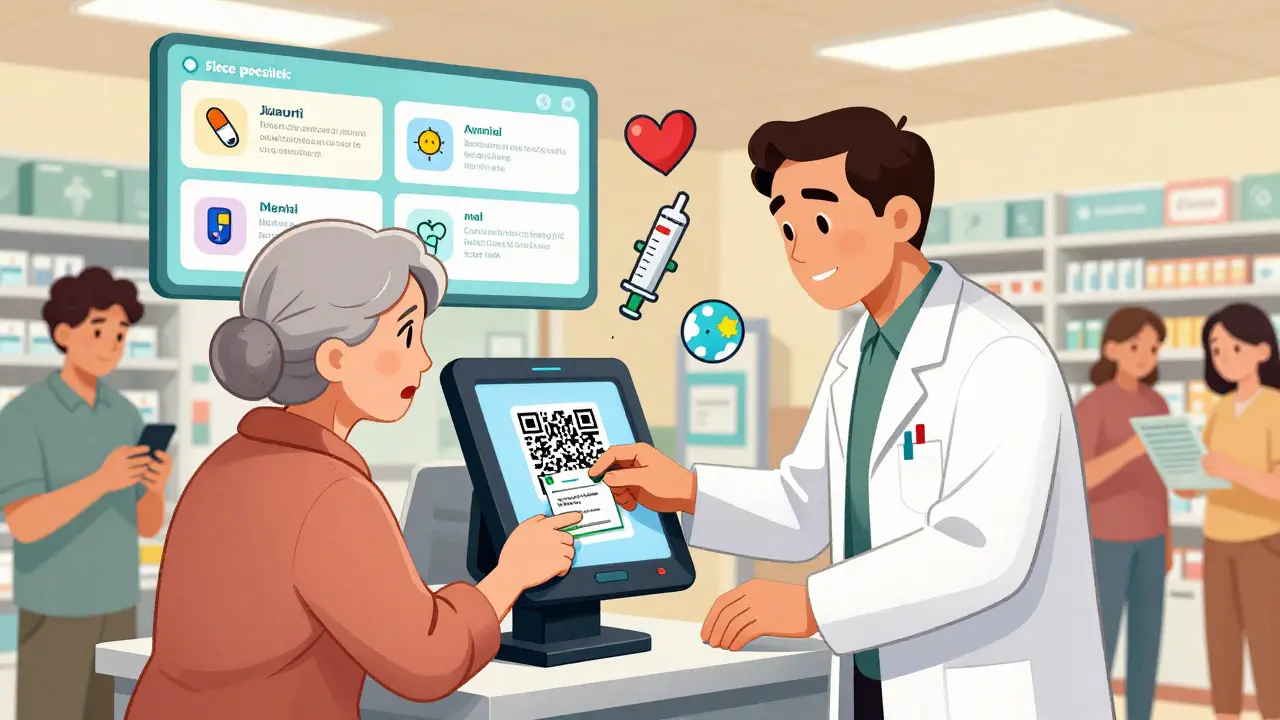
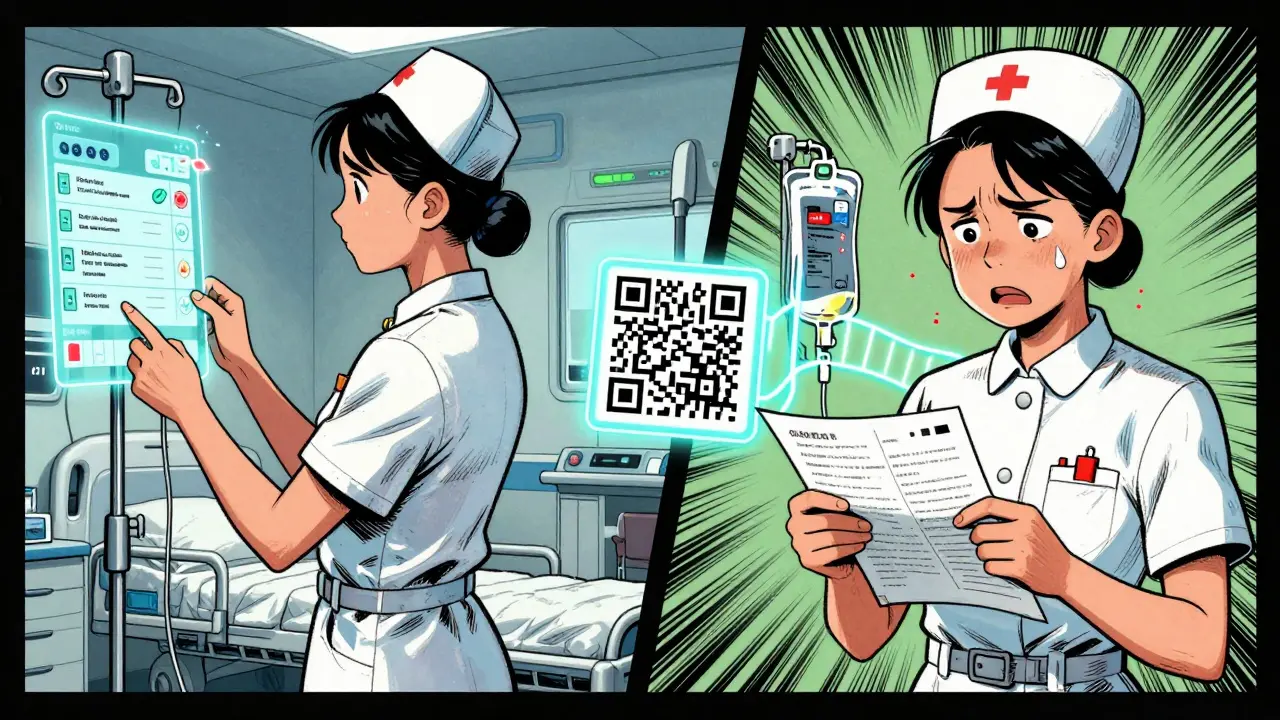
Pharmacies aren’t just putting QR codes on bottles-they’re building whole systems around them. At a community pharmacy in Perth, pharmacist u/MedSafetyPro on Reddit reported a 63% drop in patient callback calls after adding QR codes to medication bags. Patients were reading the info themselves instead of calling with basic questions like “Do I take this before or after food?” In hospital ICUs, QR codes are used on IV bags. One nurse shared that scanning the code on an IV drip brought up a checklist: patient name, drug name, dose, expiration, and verification steps. This cut IV preparation errors by 41%. DosePacker, a company that makes pre-sorted pill boxes, added QR codes to each dose cup. In a clinical trial with heart failure patients, adherence jumped from 62% to 89%. Patients weren’t just taking their pills-they were watching the videos, setting reminders, and understanding why each pill mattered.Challenges and Limitations
QR codes aren’t perfect. Here are the real problems people face:- Small labels: Some pill bottles are too small for a clear QR code. Solution: Use a larger code (at least 1.5 inches square) or attach a printed card to the bottle.
- Older patients: A 2024 AARP survey found only 58% of people over 65 feel comfortable using QR codes. Many need help from family or staff.
- Poor internet: In rural areas, 23% of patients can’t load the page because of weak signals. Pharmacies are starting to offer printed summaries or audio devices as backups.
- Staff training: One pharmacy reported it took 17 hours per technician to train staff to manage and troubleshoot QR systems.
What’s Next for Digital Prescription Labels?
The future is coming fast. By 2026, the European Union plans to make QR codes mandatory on all prescription medications. In the U.S., the FDA is pushing for integration with electronic health records. Soon, scanning a QR code might pull up your full medication history from your doctor’s system. New tools are emerging too:- AI-powered interaction checkers: Scan the code, and the page warns you if your new blood pressure pill clashes with your diabetes med.
- Auto-language switching: The page detects your phone’s language and shows instructions in your preferred language.
- Universal Device Identifiers (UDIs): QR codes on medical devices like insulin pumps will link to usage guides and recall alerts.
How to Get Started as a Patient or Caregiver
You don’t need to be a tech expert to use this. Here’s how to make the most of digital prescription labels:- Always scan the QR code when you pick up a new prescription-even if you’ve taken the drug before. Info can change.
- Save the link in your phone’s notes or bookmark it. You might need it later.
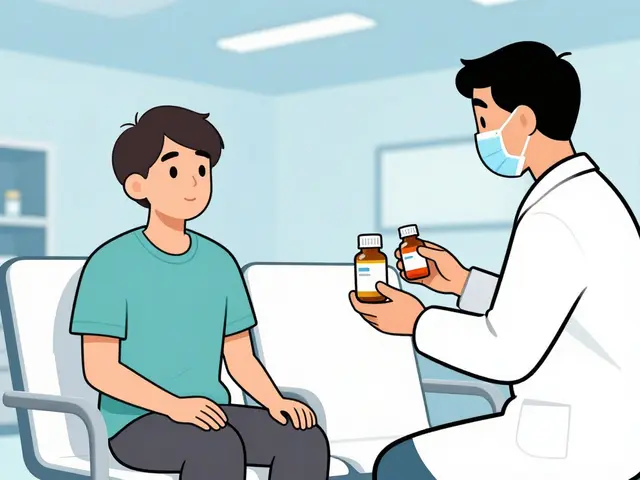
- Ask your pharmacist to walk you through it. Most are happy to help.
- If you can’t scan it, ask for a printed summary or audio version. You have a right to accessible information.
- Share the info with family members who help you manage your meds.
Final Thoughts: QR Codes Are a Tool, Not a Replacement
Digital prescription labels with QR codes are powerful. They reduce errors, improve adherence, and give patients control. But they’re not meant to replace human care. They’re meant to support it. If you’re a patient, use them. If you’re a caregiver, help someone scan theirs. If you’re a pharmacist or doctor, make sure the information behind the code is clear, accurate, and accessible. This isn’t just about technology. It’s about making sure no one takes a pill they don’t understand.Can I scan a QR code on my prescription if I don’t have a smartphone?
Yes. Many pharmacies now offer alternative access methods. You can ask for a printed version of the digital label, request an audio recording on a USB drive, or use a kiosk at the pharmacy with a touchscreen. Some pharmacies even have staff who will scan the code for you and explain the information aloud. You have the right to accessible health information, regardless of your device.
Are QR codes on prescriptions safe? Could someone hack the link?
The QR code itself is just a link-it doesn’t store data. The safety of the information depends on the website it points to. Reputable pharmaceutical companies and pharmacies use secure, encrypted websites (look for https:// in the address). Avoid scanning codes from untrusted sources, like random flyers or third-party websites. Always verify the URL before entering any personal info. Most legitimate prescription QR codes lead directly to the drug manufacturer’s or pharmacy’s official site.
What if the QR code doesn’t work or the link is broken?
If the QR code doesn’t scan or the page won’t load, contact your pharmacy immediately. Most pharmacies have a backup system: printed safety sheets, printed dosing cards, or staff who can provide the information verbally. Under current guidelines, the physical label must still contain all critical safety details-even if the QR code fails. Don’t guess. Ask.
Do QR codes replace the printed label on my medicine bottle?
No. The printed label must still include the essential information: drug name, strength, dosage instructions, prescriber name, pharmacy details, and major warnings. The QR code adds extra details-like videos, interaction checkers, and refill reminders-but it doesn’t replace the legal requirement for readable printed text. Always check the physical label first, then use the QR code for deeper info.
Can I use the same QR code for refills?
Usually, yes. Most dynamic QR codes remain active across refills unless the medication’s formulation, dosage, or safety info changes. If you get a refill and the QR code now leads to different information, it’s likely because the content was updated-perhaps due to a new warning or interaction. Always check the details, even if you’ve scanned the code before. If you’re unsure, call your pharmacist to confirm.
Are digital prescription labels covered by privacy laws?
Yes. In Australia, the U.S., and the EU, any digital health information tied to your prescription is protected under privacy laws like the Privacy Act 1988 (Australia), HIPAA (U.S.), and GDPR (EU). Pharmacies and drugmakers cannot share your scan data with advertisers or third parties without your consent. Scan analytics are typically aggregated and anonymized-meaning they track how many people scanned, not who you are. If you’re concerned, ask your pharmacy how your data is used.

10 Comments
So we're just gonna hand over our health data to Big Pharma and call it 'innovation'? 🤡 QR codes track your scans, your phone model, your location-no consent needed. This isn't safety, it's surveillance with a side of aspirin. And don't get me started on how they'll monetize the data later. We're being groomed for a dystopian pill-popping future.
I just scanned my mom’s blood pressure med QR code and it played a video in French! 😊 She cried-she hasn’t understood her meds since she moved here. Thank you to whoever designed this. It’s not perfect, but it’s kind. 🙏
Canada’s gonna be the last one to adopt this. We still use paper scripts and call pharmacies at 7pm because 'the system's down'. Meanwhile, Americans are scanning pills like they’re at a rave. Wake up, eh.
I scanned my insulin bottle and it told me to avoid oranges. Wait… oranges? I’ve been eating them for 10 years. Is this a joke? Who wrote this? Some intern who thinks 'fruit' means 'poison'?
I showed my grandma how to scan her meds last week. She didn’t know what a QR code was. Now she asks me every morning, 'Did you see the video about the water?' 😭 It’s not tech-it’s connection. Thank you for making this real for people like her. ❤️
Let’s be honest-this is just Phase 1 of the pharmaceutical surveillance state. Dynamic QR codes? They’re not updating safety info-they’re updating your behavioral profile. You think your scan data is anonymized? Please. That’s the same lie they told you about Facebook. And don’t get me started on how they’ll tie this to your insurance premiums. This isn’t healthcare. It’s predictive control.
If you’re too lazy to read a printed label, you shouldn’t be taking pills. This is just another way for corporations to offload responsibility onto patients who can’t afford to be tech-savvy. And now we’re supposed to applaud them for it? Pathetic.
My uncle’s 82 and blind. He uses a screen reader. The QR code links to a page that doesn’t work with VoiceOver. So now he’s stuck. This isn’t helping. It’s making things worse.
In India, we use QR codes for everything-tea, buses, even toilet paper. But for medicine? Nah. Pharmacies here still hand you a paper slip with handwriting you need a PhD to read. QR code is luxury. We need clean labels first.
I’m not against tech. But when your mom’s medication link redirects to a 'wellness product' ad for 'natural blood pressure drops'-that’s not safety. That’s exploitation. And the fact that you’re calling this 'progress' makes me sick. You’re trading dignity for convenience. And you’re proud of it? 🤢