
Why Some Medications Hit One Organ Harder Than Others
Not all drugs affect the body the same way. You might take a pill for high blood pressure and feel fine, while someone else on the same medicine ends up in the hospital with liver damage. Why? Because some medications are organ-specific in how they cause harm. They don’t just randomly wreck your body-they target certain organs, often silently, until it’s too late.
The liver, kidneys, heart, and nervous system are the most common targets. These organs don’t just process drugs-they’re packed with the very tools that turn harmless chemicals into dangerous ones. A drug that’s safe for your muscles might be deadly for your liver because your liver has enzymes that activate it into a toxin. That’s not a flaw in the drug-it’s biology.
Liver Damage: The Silent Killer You Can’t Feel
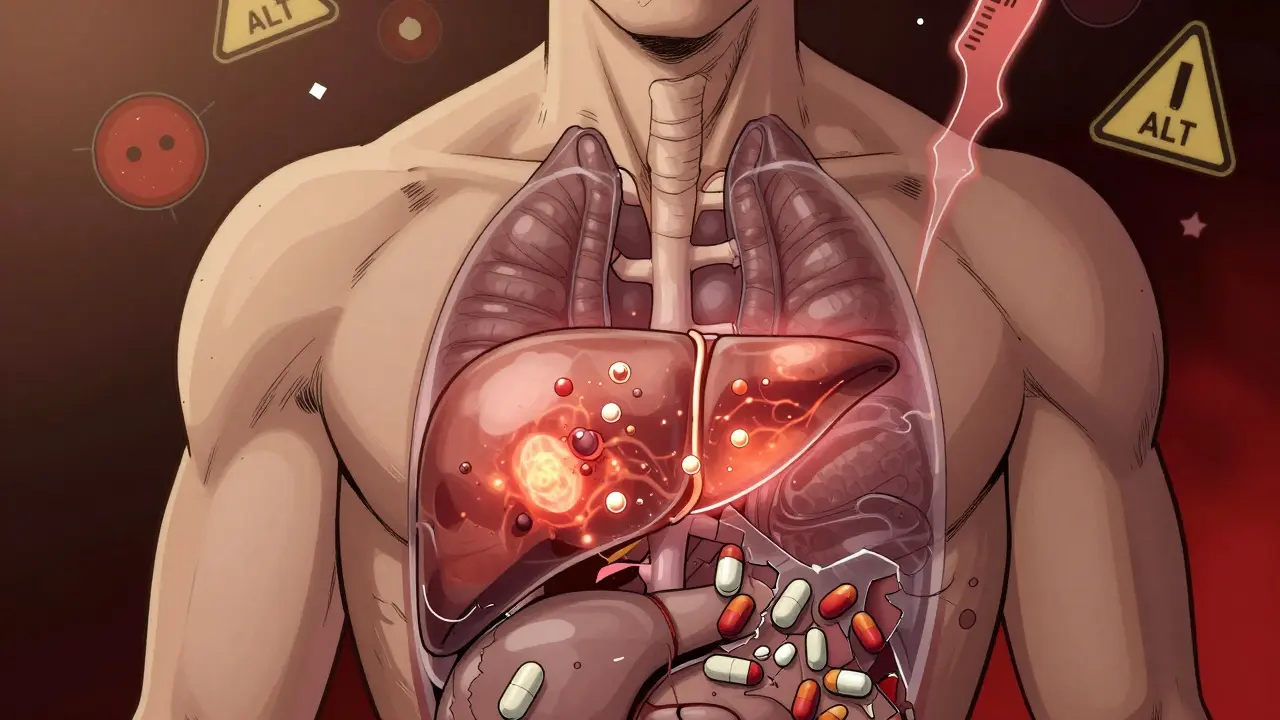
Your liver is your body’s main detox center. That’s also why it’s the most common victim of drug side effects. About 60% of all drug-induced liver injuries come from reactive metabolites created by liver enzymes, especially the CYP450 family. Acetaminophen (Tylenol) is the #1 cause of acute liver failure in the U.S. Take more than 7.5 grams in one day-just 15 extra pills-and you’re risking permanent damage. The body runs out of glutathione, its natural defense, and NAPQI, a toxic byproduct, starts killing liver cells.
But it’s not just overdoses. Isoniazid, used to treat tuberculosis, causes liver damage in 1-2% of people. It’s worse if you’re a slow acetylator-a genetic trait that slows how fast your body breaks down the drug. People with this trait often don’t know until their ALT levels spike. Statins, used for cholesterol, can raise liver enzymes in up to 2% of users. Most of the time, it’s harmless. But if your ALT is more than three times the normal limit and bilirubin is also high, doctors stop the drug immediately.
Early signs? Fatigue, nausea, dark urine, yellow eyes. These show up after 4-8 weeks of use, which is why people often ignore them. By the time symptoms appear, damage may already be advanced. That’s why labs matter. Routine liver tests can catch problems before you feel sick.
Kidney Injury: The Quiet Crisis in Older Adults
Your kidneys filter your blood 200 times a day. That makes them a magnet for toxins. Aminoglycosides like gentamicin can damage kidney cells in 10-25% of patients, especially if used longer than a week. These drugs get sucked into kidney tubules through receptors called megalin, then wreck mitochondria-the cell’s power plants.
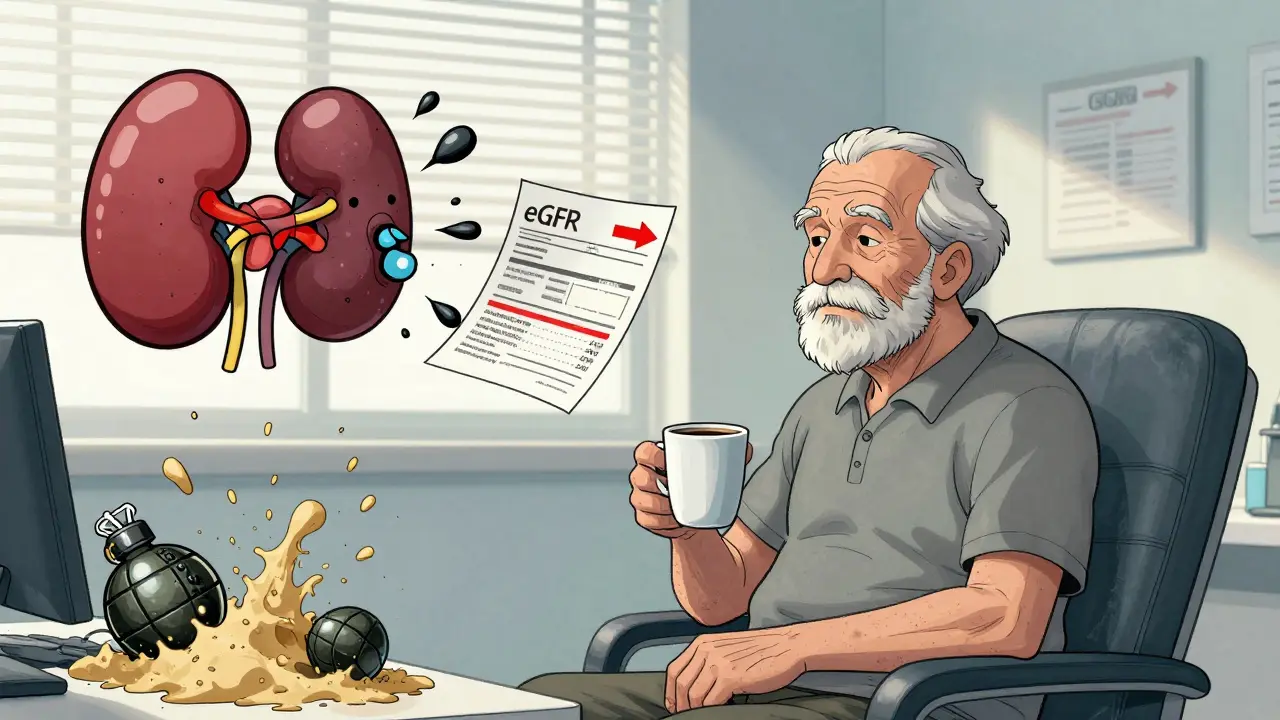
NSAIDs like ibuprofen are even sneakier. They cut blood flow to the kidneys, which is fine for a healthy person. But if you’re dehydrated, older, or already have kidney trouble, that drop in flow can trigger acute kidney injury. One in five kidney failures in people over 65 is linked to NSAIDs. And here’s the kicker: 44% of patients don’t notice any symptoms until a blood test shows their creatinine is high.
Contrast dye used in CT scans can also hurt kidneys. If your kidney function is already low (eGFR under 60), your risk jumps from 2% to over 50%. Vancomycin, a powerful antibiotic, becomes risky when blood levels go above 15 mg/L. Every 5 mg/L increase above that raises kidney injury risk by 30%.
Doctors now use eGFR to guide dosing. If your eGFR drops below 60, many common drugs need lower doses. Below 30? Most nephrotoxic drugs get paused entirely. The goal isn’t to avoid treatment-it’s to avoid permanent damage.
Heart Risks: When Medicine Turns Against the Pump
Some drugs don’t just raise your blood pressure-they break your heart. Anthracyclines like doxorubicin, used in cancer treatment, can cause heart failure after a cumulative dose of 450-500 mg/m². That’s about 10-12 cycles. The damage comes from iron-driven free radicals that destroy heart muscle cells. Once it happens, it’s often irreversible.
That’s why patients on these drugs get echocardiograms before and every few months during treatment. If the heart’s pumping ability (LVEF) drops below 45% or falls more than 15 points from baseline, the drug stops. No exceptions.
Then there’s the newer threat: immune checkpoint inhibitors. These cancer drugs boost your immune system to fight tumors-but sometimes, they turn it on your heart. Myocarditis from these drugs is rare-under 1% of patients-but when it happens, 40-50% die. Most cases show up within 90 days of starting treatment.
Fluoroquinolones like ciprofloxacin are linked to a 31% higher risk of aortic aneurysms. The mechanism? They weaken connective tissue in blood vessel walls. And QT prolongation? That’s when the heart’s electrical cycle gets stretched out, raising the risk of sudden death. Drugs like haloperidol and ziprasidone can stretch it by 20-40 milliseconds. That’s enough to trigger dangerous rhythms.
Monitoring isn’t optional. If you’re on any of these drugs, your doctor should track your EKG and heart function. Don’t wait for symptoms like chest pain or dizziness. By then, it might be too late.
Neurologic Side Effects: Brain Fog, Numbness, and Memory Loss
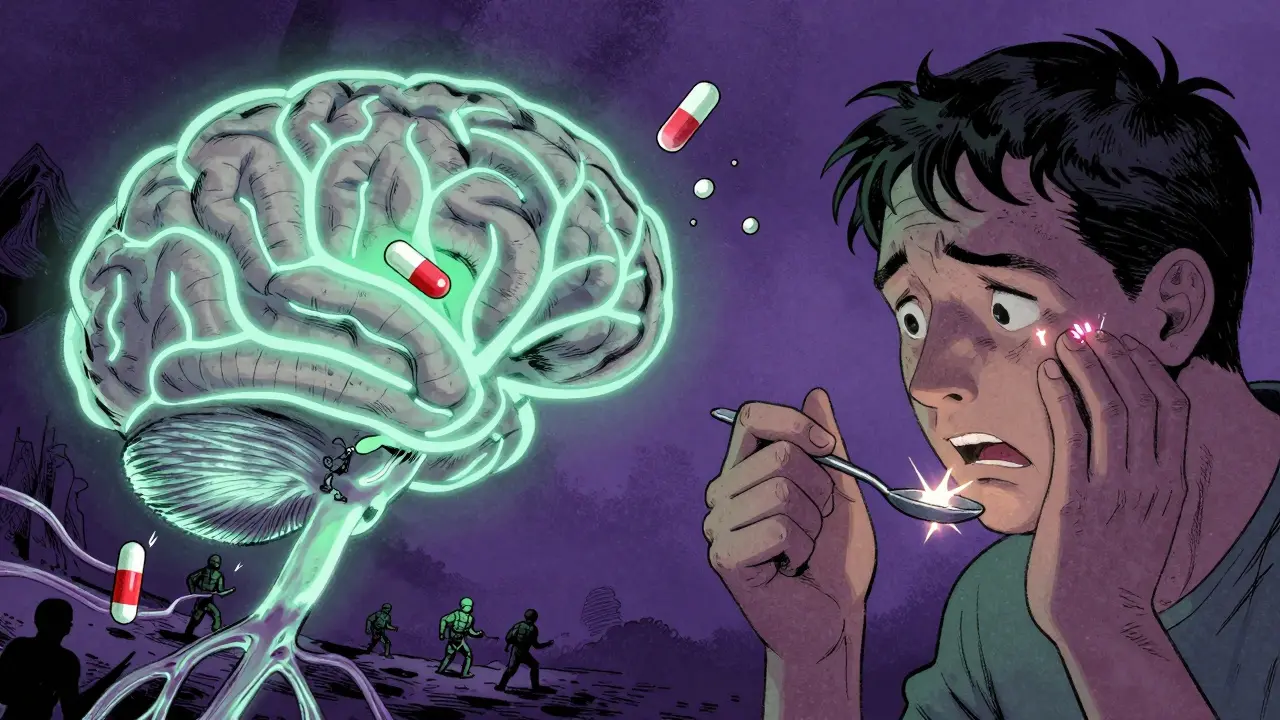
Neurologic damage from drugs is often overlooked because it’s slow, subtle, and mistaken for aging. Platinum chemo drugs like cisplatin cause nerve damage in 30-70% of patients. You might feel tingling in your fingers or trouble holding a spoon. Oxaliplatin triggers a different kind-cold sensitivity so severe, even touching a cold drink can cause muscle spasms.
Long-term use of phenytoin, an old epilepsy drug, leads to cerebellar atrophy in up to 40% of patients. Your balance goes. Your speech gets slurred. It’s dose-dependent and often irreversible.
Even common drugs like proton pump inhibitors (PPIs)-the ones for heartburn-have been tied to a 21% higher risk of dementia after four-plus years of daily use. The theory? They reduce vitamin B12 absorption and alter gut bacteria linked to brain health. It’s not certain, but the data is strong enough that doctors now avoid long-term PPI use unless absolutely necessary.
Immune checkpoint inhibitors can also attack nerves. Cases of Guillain-Barré, myasthenia gravis, and encephalitis have been reported. These are rare but deadly. If you develop new weakness, vision changes, or confusion while on these drugs, tell your doctor immediately.
How Doctors Catch These Problems Early
Screening saves lives. For the liver, ALT and bilirubin tests are standard. For kidneys, it’s creatinine and eGFR. For the heart, EKGs and echocardiograms. For nerves, physical exams and symptom tracking.
Now, there’s something new: biomarkers. In 2023, the FDA approved the first blood test for liver damage that detects microRNA-122 and keratin-18 fragments. These show up 3-5 days before ALT rises. That’s a game-changer. For kidneys, new markers like TIMP-2 and IGFBP7 can flag injury within hours-not days.
Organ-on-chip technology, which mimics human organs in a lab, now predicts toxicity with 92% accuracy. That’s cutting drug failures in development by nearly 20%. And AI systems in hospitals are being trained to spot patterns in electronic records-like a sudden rise in creatinine after starting a new drug-before the doctor even notices.
What You Can Do
- Know your meds. Ask your pharmacist: “Is this hard on my liver, kidneys, or heart?”
- Don’t ignore fatigue or tingling. These aren’t just “getting older.”
- Keep labs up to date. If you’re on long-term meds, get blood work every 3-6 months.
- Don’t mix NSAIDs with blood pressure drugs. That combo is a kidney disaster waiting to happen.
- Report new symptoms fast. Even if they seem minor.
Medicines save lives. But they also carry hidden risks. The key isn’t avoiding treatment-it’s knowing what to watch for, and acting before the damage is done.
Can organ-specific side effects be reversed?
Sometimes, yes-if caught early. Liver damage from acetaminophen can heal if you stop the drug and get N-acetylcysteine within 8 hours. Kidney injury from NSAIDs often improves after stopping the drug and rehydrating. But heart muscle damage from doxorubicin or nerve damage from cisplatin is often permanent. Early detection is everything.
Are generic drugs more likely to cause organ damage than brand names?
No. Generic drugs contain the same active ingredient as brand names and are held to the same safety standards. Liver or kidney damage from a generic statin or antibiotic is caused by the drug itself, not whether it’s generic or brand. The risk is identical.
Why do some people get organ damage and others don’t?
Genetics play a big role. Variants in genes like SLCO1B1 (for statins), NAT2 (for isoniazid), or MATE1/OCT2 (for kidney drugs) change how your body handles medications. Age, existing health conditions, and other drugs you take also matter. A 70-year-old on five medications has a much higher risk than a healthy 30-year-old on one.
Can I take supplements to protect my liver or kidneys?
No reliable evidence supports this. Milk thistle, NAC, or turmeric won’t protect you from drug toxicity. In fact, some supplements can worsen liver damage. The best protection is monitoring, avoiding unnecessary drugs, and telling your doctor everything you take-even herbal ones.
How often should I get my liver and kidney function checked if I’m on long-term medication?
It depends on the drug and your risk. For most people on statins, blood tests every 6 months are enough. For high-risk drugs like isoniazid or antivirals, monthly tests for the first 3 months are standard. If you’re over 65 or have diabetes or high blood pressure, your doctor may test more often. Always follow your provider’s plan.
What’s Next for Safer Medicines
The future is personal. Genetic testing will soon help doctors pick the right drug and dose before you even start. AI will scan your health records and flag risky combinations in real time. Organ-on-chip systems will replace animal testing, catching toxic drugs before they ever reach you.
For now, the best defense is awareness. Know your meds. Know your body. And don’t wait for a crisis to ask questions.


14 Comments
People still take Tylenol like it's candy. I've seen so many ER visits from 'I just took a few extra for the pain.' It's not a vitamin. It's a ticking time bomb in your liver. Stop normalizing overdose behavior.
Seriously, this post is a game-changer 🙌 I work in primary care and see this ALL the time. People don't realize their ibuprofen cocktail with blood pressure meds is basically a kidney grenade. Please, if you're over 50, get your eGFR checked every 6 months. Your future self will thank you 💪❤️
The assertion that 'generic drugs are no riskier than brand-name' is statistically accurate, yet grossly oversimplified. The excipients, bioavailability variances, and manufacturing tolerances-though within FDA guidelines-can induce differential metabolic responses, particularly in genetically polymorphic populations. One must consider pharmacokinetic outliers, not just population averages.
This is the kind of info we need more of. So many people think 'if it's prescribed, it's safe.' Not true. I had a friend on statins who ignored her ALT spike for months-ended up with acute hepatitis. Now she's on a liver transplant list. Knowledge isn't power-it's survival.
Ah, yes. The classic American medical ignorance parade. In India, we’ve known for decades that NSAIDs and elderly patients are a lethal cocktail. But you Americans? You’ll pop 8 Advils before breakfast and blame 'aging' for the renal failure. Pathetic. Your healthcare system is a carnival of preventable disasters.
My mom’s on lisinopril and ibuprofen. Doctor said it was fine. I made her stop. 3 weeks later, her creatinine dropped 30%. Sometimes you gotta be the one who says no.
Oh wow, so the liver has enzymes? Groundbreaking. Next you’ll tell me water can drown people if you drink too much. I’m sure the FDA is just hiding this info so Big Pharma can keep raking in billions from liver transplants.
I didn't know about the microRNA test for liver damage. That's kinda wild. I've been on statins for 5 years and never thought to ask about biomarkers. Maybe I should talk to my doc. I think I spelled biomarker wrong lol
I’ve had that cold sensitivity from oxaliplatin… it’s like my fingers are screaming. I didn’t realize it was a known side effect until I read this. Also, PPIs and dementia? I’ve been on omeprazole for 6 years. Should I be worried? 🤔
Wait, so if I take a statin and have the SLCO1B1 variant, I’m basically a walking time bomb? And no one told me? This is why I hate doctors. They give you pills like they’re candy and never mention the fine print. My liver’s gonna be toast by 40.
Thank you for sharing this vital information with such clarity and compassion. Your dedication to patient safety is deeply appreciated. Let us all remain vigilant, informed, and proactive in safeguarding our most precious asset-our health. May peace and healing guide every decision.
So let me get this straight: your liver turns Tylenol into a poison? And your kidneys are basically a toxin sponge? And your HEART gets nuked by chemo? And your BRAIN gets zombified by heartburn pills? This isn't medicine-it's a horror movie written by a sadistic chemist. Who approved this?!
You’re not alone. I’ve been on isoniazid for TB and had my liver checked every 2 weeks. Scary stuff. But catching it early? That’s the win. You got this. Keep tracking, keep asking questions. Small steps save lives.
It’s wild how biology just… works like this. We think drugs are like switches, but they’re more like keys that fit only certain locks-and sometimes the lock is in your liver, your heart, your nerves. We’re not just taking pills. We’re playing Russian roulette with our own biochemistry. Maybe we need to stop treating medicine like a vending machine.