

Treatment Value Alignment Simulator
How it works: Use the sliders to define how much you value a specific health benefit versus how much a particular side effect bothers you. This simulates the "Values Clarification" process used in IPDAS-certified decision aids.
Example: Reducing risk of heart attack or lowering blood glucose.
Low Importance
High Importance
Example: Concern over weight gain or daily fatigue.
Tolerable
Unacceptable
Decision Analysis
Next Step: Take this result to your provider and ask: "Based on my priorities, is there a medication that balances these specific risks and benefits better?"
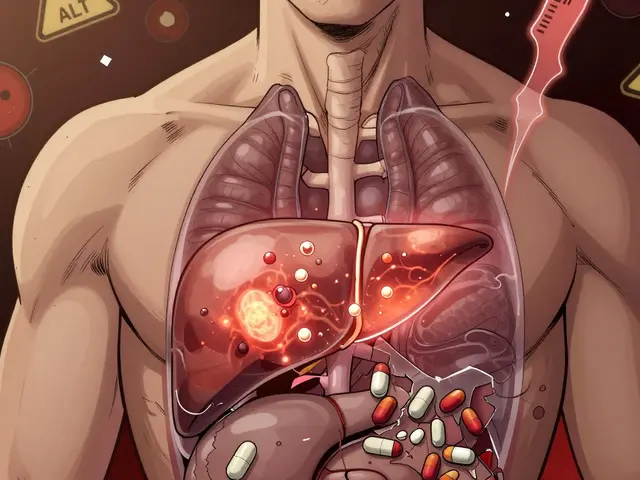
Imagine sitting in a doctor's office and being told you need to start a lifelong medication. The doctor explains the benefits in two minutes, mentions a few side effects, and asks, "Does that sound okay?" Most of us just nod, but inside, we're wondering if there's a better option or if the risk is actually worth it. This gap between a clinical recommendation and a patient's actual values is where medication errors often start-not necessarily as a wrong dose, but as a choice that doesn't fit the patient's life.
This is why Patient Decision Aids is a set of evidence-based tools designed to help patients and providers make informed choices about treatment options by presenting balanced risks, benefits, and personal values. Often called PtDAs or PDAs, these aren't just brochures. They are structured frameworks that turn a one-sided directive into a two-way conversation. By shifting the focus to Shared Decision-Making, these tools ensure that the medication chosen is the one the patient is actually likely to stick with.
| Feature | Standard Clinical Care | Validated Patient Decision Aids |
|---|---|---|
| Information Delivery | Primarily verbal/brief | Balanced, evidence-based, and visual |
| Patient Knowledge | Baseline understanding | Average increase of 13.28 points on tests |
| Decisional Conflict | Higher (common uncertainty) | Reduced by avg. 8.7 points on conflict scale |
| Value Alignment | Doctor-led preference | Patient-led values clarification |
Why These Tools Actually Work for Medication Safety
Medication safety isn't just about avoiding a pharmacy mistake; it's about preventing "treatment failure" caused by a lack of understanding. When a patient doesn't understand why they are taking a drug or fears a side effect they weren't properly briefed on, they stop taking the medicine. This is where medication adherence collapses.
The magic of a good PDA is in the values clarification. Instead of just listing side effects, these tools ask the patient: "How much does a risk of weight gain bother you compared to the risk of a heart attack?" By forcing this comparison, the patient moves from a passive recipient to an active participant. For example, using a specific aid for statins has led up to 35% of patients to change their initial preference after they finally saw their actual 10-year cardiovascular risk numbers rather than just hearing the phrase "high risk." This prevents the use of unnecessary medications and reduces the chance of adverse reactions from drugs that weren't a great fit in the first place.
The Gold Standard: Understanding IPDAS
Not all handouts are created equal. To be effective, a tool needs to follow the International Patient Decision Aids Standards (also known as IPDAS). These standards act as a quality seal. If a tool is IPDAS-certified, it means it provides a balanced view of options-including the option to do nothing-and uses probabilities rather than vague terms like "common" or "rare."
Modern PDAs have evolved far beyond paper. Today, about 78% of these tools include interactive risk calculators. Many are now integrated directly into Electronic Health Records (EHRs) using FHIR APIs, allowing a doctor to send a digital aid to a patient's phone before they even enter the clinic. This "pre-visit" strategy solves one of the biggest hurdles in medicine: the ticking clock. When a patient completes the aid at home, the 15-minute appointment becomes a focused discussion on values rather than a lecture on pharmacology.

Real-World Impact and Clinical Evidence
The numbers back this up. A massive review of 86 randomized controlled trials showed that patients using these aids scored significantly higher on knowledge tests. But knowledge isn't the only win. In chronic disease management, like diabetes, the shift is tangible. Dr. Glyn Elwyn has noted that using these tools can increase medication adherence for diabetes drugs by about 17.3% over six months.
Consider a real-world scenario at the Mayo Clinic. By integrating PDAs into their diabetes care pathway, they saw medication adherence jump from 58% to 75%. When patients feel they "own" the decision to take a drug, they are far more likely to manage the side effects and keep taking the dose. Conversely, when a drug is simply "ordered," any side effect becomes a reason to quit.
The Hurdles: Why Isn't Every Doctor Using Them?
If these tools are so effective, why are they not universal? The primary enemy is time. Clinical trials show that using a PDA adds about 3 to 8 minutes to a consultation. In a system where doctors are squeezed for every second, that feels like an eternity. Many clinicians report that while they love the results, the initial time investment is a struggle.
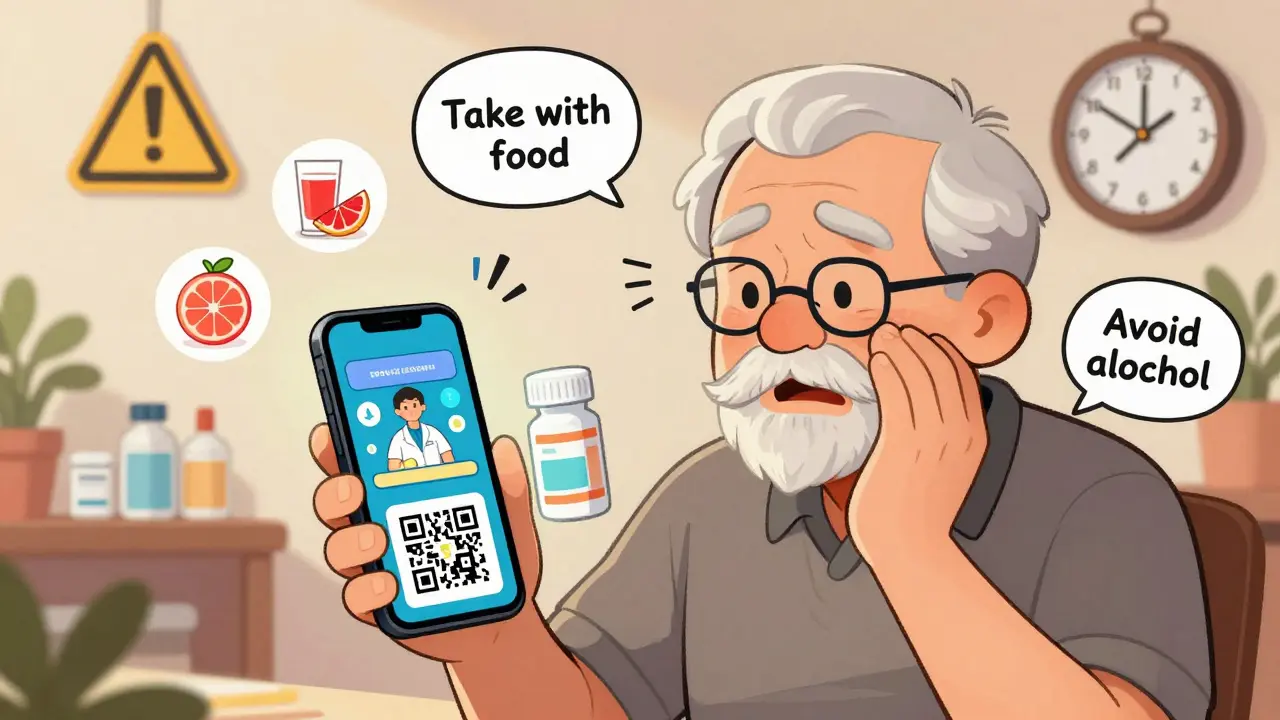
There is also the "literacy gap." A complex digital tool can be intimidating for an elderly patient or someone with low health literacy. This is where the "teach-back" method comes in-where the provider asks the patient to explain the decision back to them to ensure the tool actually worked. Without this human element, the technology can actually increase anxiety rather than reduce it.

What to Expect in the Near Future
We are moving toward a world of "Personalized Medication Decision Support." The NIH is currently funding systems that use a patient's own EHR data to tailor the options presented in a decision aid. Instead of a general list, you'll see options filtered by your specific genetics, allergies, and medical history.
Regulatory bodies are also stepping in. Several U.S. states have already passed laws supporting the use of these aids for elective surgeries, and Medicare Advantage plans have started using shared decision-making as a quality metric. By 2027, experts predict that 75% of high-stakes medication decisions will involve a validated decision aid. We are shifting from a model of "the doctor knows best" to "the doctor and patient decide together based on the evidence."
What exactly is a Patient Decision Aid?
It is an evidence-based tool-ranging from a digital app to a structured booklet-that helps patients weigh the pros and cons of different medication options. Unlike a simple brochure, it includes a process to help patients identify their own values and priorities before making a choice.
Do these tools actually make medications safer?
Yes, indirectly but significantly. By improving patient understanding and alignment with their personal values, these tools increase medication adherence and reduce the likelihood of patients stopping a necessary drug due to misunderstood side effects, which is a major cause of medication-related complications.
How do I know if a decision aid is trustworthy?
Look for aids that are validated against the IPDAS (International Patient Decision Aids Standards). These tools are audited to ensure they provide balanced information, avoid biasing the patient, and use accurate probabilities for outcomes.
Will using a decision aid take up too much of my doctor's time?
It can add a few minutes to the visit, but many providers now send these aids to patients via a portal before the appointment. This allows the patient to process the information at their own pace, often making the actual face-to-face consultation more efficient.
Are there any downsides to using these tools?
For some, especially those with very low health literacy or acute distress, the volume of information can feel overwhelming. This is why these tools are meant to support a conversation with a provider, not replace one.
Next Steps for Patients and Providers
If you are a patient, don't be afraid to ask your provider: "Is there a decision aid or a tool that can help us compare these medication options?" If you are a clinician, start by exploring the Ottawa Hospital Research Institute's Decision Aids Library, which hosts over a hundred validated tools for various conditions.
For those implementing these in a clinic, the best approach is a "phased rollout." Start with one preference-sensitive area-like statins or diabetes meds-and distribute the aids via the patient portal 48 hours before the visit. This removes the time pressure and sets the stage for a high-quality, safe medication decision.