



RAS Medication Interaction Checker
Select the medications you are currently taking or considering to see the potential interaction and safety profile. (For educational purposes only; always consult a doctor).
Potassium Risk
Kidney Risk
Key Insight
Taking medication for high blood pressure usually feels straightforward until you start hearing about different classes like ACE inhibitors and ARBs. You might wonder if taking both provides a "double dose" of protection for your heart and kidneys. In reality, combining these two is rarely a good idea and can actually be dangerous. While they both target the same system in your body, they do it in different ways, and using them together often leads to serious side effects without providing any real extra benefit.
Quick Summary: What You Need to Know
- Avoid Dual Blockade: Using an ACE inhibitor and an ARB together is generally discouraged by major health guidelines.
- Risk of Hyperkalemia: Combination therapy significantly increases the risk of dangerously high potassium levels.
- Kidney Danger: Combining these drugs can increase the risk of acute kidney injury and dialysis.
- The "Cough" Factor: ACE inhibitors often cause a dry cough, which is why many people switch to ARBs.
- Monitoring is Key: Anyone switching between these medications needs regular blood tests to check kidney function and potassium.
Understanding the RAS System
To understand why these drugs interact, we first have to look at the Renin-Angiotensin System (RAS). This is a hormone system that helps regulate your blood pressure and fluid balance. When your body thinks your blood pressure is too low, the RAS kicks in to constrict your blood vessels and hold onto salt and water, which pushes your pressure back up.
For people with hypertension or heart failure, this system is often overactive. That is where ACE Inhibitors come in. ACE inhibitors are medications that stop the angiotensin-converting enzyme from turning Angiotensin I into Angiotensin II. Because Angiotensin II is the"heavy lifter" that narrows your blood vessels, blocking its production keeps your pipes open and your pressure down. Common examples include lisinopril and ramipril.
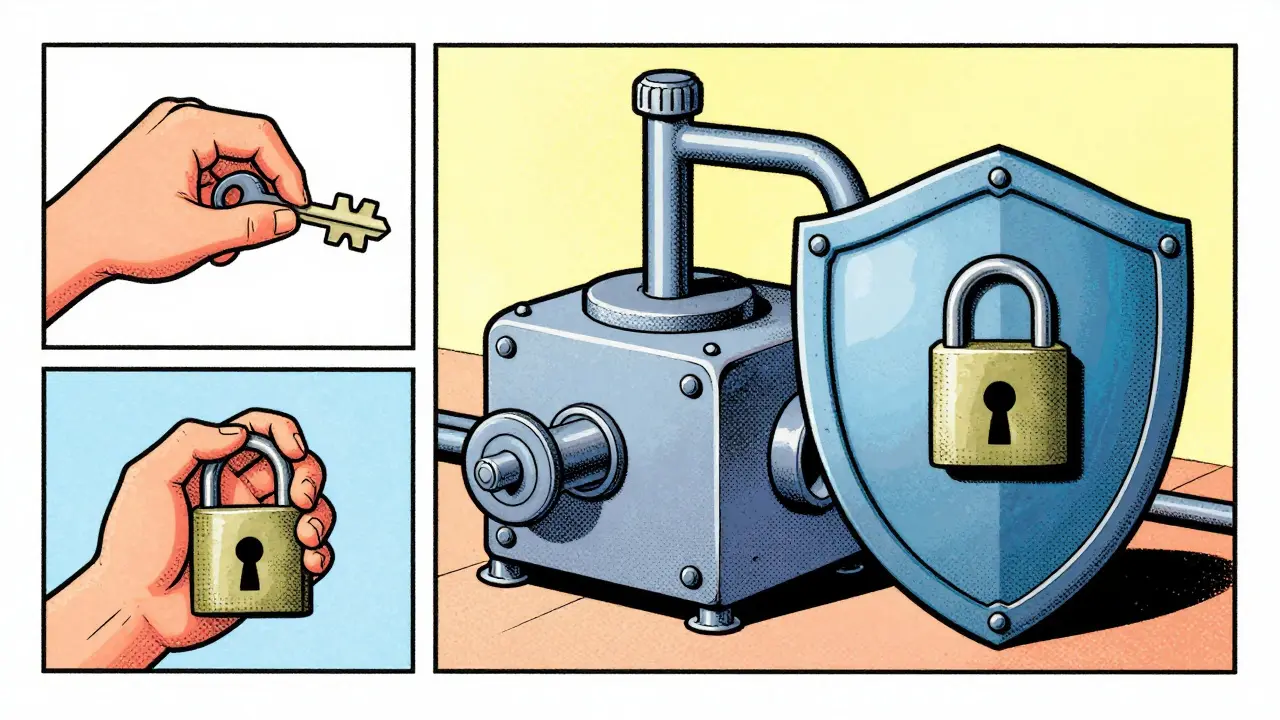
Then we have ARBs (Angiotensin II Receptor Blockers). ARBs don't stop the production of Angiotensin II; instead, they act like a shield, blocking the hormone from attaching to the receptors on your blood vessels. Think of it like this: ACE inhibitors stop the key from being made, while ARBs block the lock so the key can't get in. Popular ARBs include losartan and valsartan.
The Danger of Dual RAS Blockade
It might seem logical to block both the production and the receptor to get a stronger effect. This is called "dual RAS blockade." However, clinical evidence strongly warns against this. The ONTARGET trial, a massive study published in the New England Journal of Medicine, found that combining these drugs didn't actually lower the risk of heart attacks or strokes more than using an ACE inhibitor alone. Instead, it just increased the risks.
The most immediate concern is Hyperkalemia, which is when your blood potassium levels get too high. Both drug classes cause your body to retain potassium. When you take both, the risk of hyperkalemia nearly doubles. In some cases, this can lead to cardiac arrhythmias or sudden heart failure because potassium is critical for the electrical signals that make your heart beat.
Beyond potassium, your kidneys take a hit. High-risk patients using both drug classes are nearly twice as likely to suffer from Acute Kidney Injury. In the ONTARGET study, the rate of renal failure requiring dialysis jumped from 1.0% in the single-drug group to 2.3% in the combination group. That is a significant increase for a combination that provides no real survival benefit.

Comparing ACE Inhibitors and ARBs
Since you usually only need one of these, how do you choose? The decision often comes down to how your body reacts to the medication. The biggest difference is the "ACE cough." About 10-15% of people on ACE inhibitors develop a persistent, dry, hacking cough. This happens because the drugs cause a buildup of bradykinin in the lungs.
ARBs don't affect bradykinin, so they rarely cause this cough. Because of this, ARBs are often the second choice when someone can't tolerate an ACE inhibitor. However, ACE inhibitors generally have slightly stronger evidence for reducing mortality in patients with heart failure with reduced ejection fraction (HFrEF).
| Feature | ACE Inhibitors | ARBs |
|---|---|---|
| Mechanism | Prevents Angiotensin II production | Blocks Angiotensin II receptors |
| Dry Cough Risk | High (10-15%) | Low (3-5%) |
| Angioedema Risk | Higher (up to 0.7%) | Lower (up to 0.2%) |
| Heart Failure Benefit | Strong evidence for mortality reduction | Strong, but slightly lower than ACEi |
| Potassium Effect | Increases serum potassium | Increases serum potassium |
Cross-Reactivity and Switching Medications
If you develop a side effect like angioedema (severe swelling of the face and throat) while taking an ACE inhibitor, you might wonder if you can switch to an ARB. This is where cross-reactivity comes in. Because they both target the same system, there is a small chance that someone who reacted poorly to an ACE inhibitor will also react to an ARB, though it is much less common.
When switching, some doctors recommend a washout period-essentially a break between the two medications-to ensure the first drug is out of your system and to prevent additive effects on your blood pressure. While not everyone does this, it can be a safer bet for patients with fragile kidney function.
If your blood pressure is still too high on a single RAS blocker, the modern approach isn't to add another RAS blocker. Instead, specialists often suggest adding a Mineralocorticoid Receptor Antagonist, such as spironolactone. This combination is often more effective at reducing protein in the urine (proteinuria) and managing blood pressure without the extreme risks associated with dual ACE/ARB therapy.

Monitoring and Safety Guardrails
If you are on any of these medications, you cannot "set it and forget it." Because these drugs affect how your kidneys filter waste and how your body handles electrolytes, regular labs are non-negotiable. You should have your serum potassium and creatinine levels checked within one to two weeks after starting the medication or changing the dose.
Once you are stable, these tests usually happen every three months. If you notice a sudden decrease in urination or a significant swelling in your ankles, you need to contact your provider immediately. These can be early signs that your kidneys are struggling with the medication.
For those with diabetic kidney disease, the temptation to use both drugs to lower proteinuria is high. Some niche cases of non-diabetic proteinuria may still see a doctor try this under extreme supervision, but for the vast majority of patients, the risk of ending up in the hospital for hyperkalemia far outweighs the slight drop in protein levels.
Can I take an ACE inhibitor and an ARB at the same time?
In most cases, no. This practice, called dual RAS blockade, is strongly discouraged by the AHA and ACC guidelines because it significantly increases the risk of kidney failure and dangerously high potassium levels without providing extra heart protection.
Why do ACE inhibitors cause a cough but ARBs don't?
ACE inhibitors block the enzyme that breaks down bradykinin. When bradykinin builds up in the lungs, it can trigger a dry, irritating cough in about 10-15% of users. ARBs do not interfere with the breakdown of bradykinin, so they don't cause this specific side effect.
What is the risk of hyperkalemia?
Hyperkalemia is when potassium levels in the blood become too high. Because both ACE inhibitors and ARBs reduce the amount of potassium your kidneys excrete, taking them together can push levels into a dangerous range, potentially causing heart rhythm problems.
Is it safe to switch from Lisinopril to Losartan?
Yes, this is a common clinical switch, especially if a patient develops a cough. However, it should only be done under a doctor's supervision to ensure blood pressure remains stable and potassium levels are monitored during the transition.
What should I do if my blood pressure is still high on one of these drugs?
You should talk to your doctor about adding a different class of medication. Common additions include diuretics or calcium channel blockers, or in some cases, a mineralocorticoid receptor antagonist like spironolactone, rather than adding another RAS blocker.
Next Steps for Patients
If you are currently taking both an ACE inhibitor and an ARB, do not stop taking them abruptly, as this can cause a dangerous spike in blood pressure. Instead, schedule an appointment with your doctor to discuss a transition to a safer monotherapy or a better combination agent.
For those starting these meds, keep a log of any new symptoms, specifically a dry cough or unusual swelling. Bring your most recent lab results to every appointment to ensure your potassium and creatinine levels are staying within the safe zone.