

If you use over-the-counter (OTC) meds for chronic pain, flu, or sleep, you need to know exactly how these chemicals interact with your liver. The good news is that these medications are incredibly safe when you follow the rules. The danger starts when those rules are ignored or misunderstood.
The Hidden Danger in Your Medicine Cabinet
The biggest culprit in liver toxicity is acetaminophen is a common over-the-counter analgesic and antipyretic used to treat pain and fever. Also known as paracetamol in many countries, it is found in over 600 different prescription and OTC products. You'll find it in standard pain relief pills, but also hidden inside multi-symptom cold and flu liquids, nighttime sleep aids, and sinus medications.
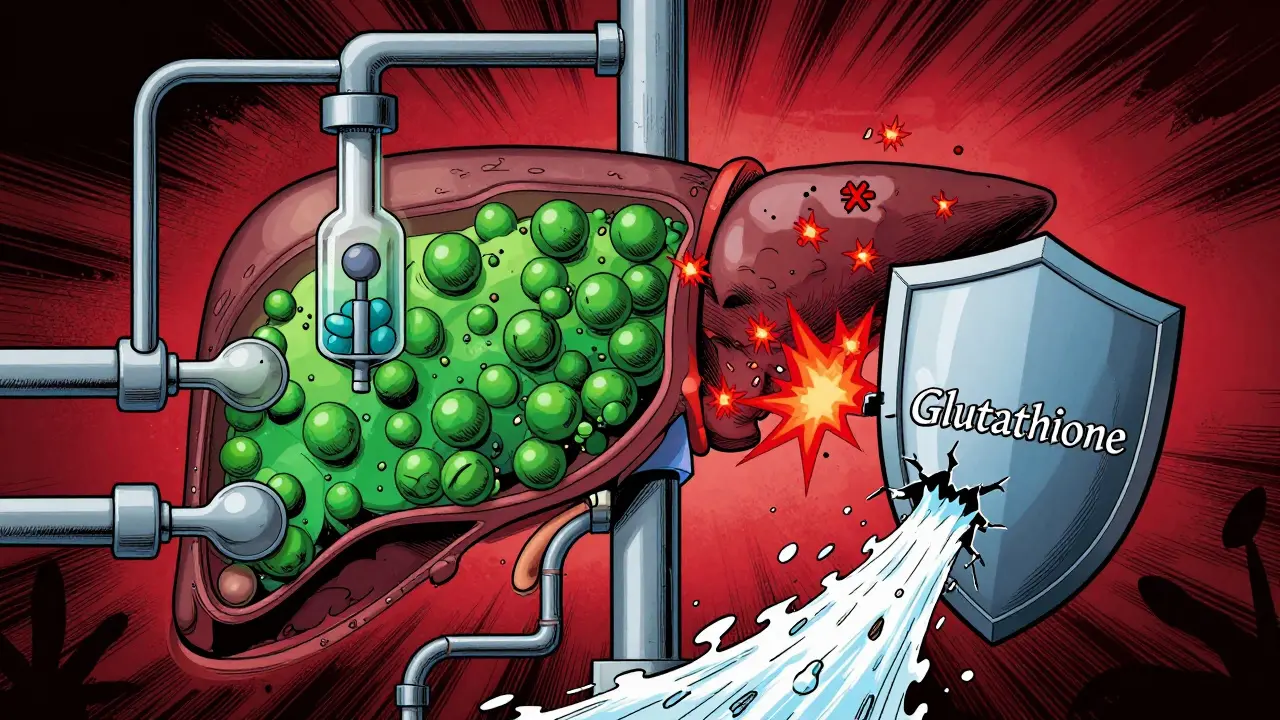
When you take acetaminophen, your liver processes most of it safely. However, a small amount is turned into a toxic byproduct called NAPQI. Usually, your liver uses a natural antioxidant called glutathione to neutralize NAPQI. The problem occurs when you take too much medicine; your glutathione stores run dry, and NAPQI begins attacking and killing your liver cells. This process is what leads to acute liver failure.
Knowing Your Safe Limits
Not everyone's liver handles medication the same way. Your "safe" dose depends heavily on your current health status and lifestyle choices. Following the acetaminophen liver injury prevention guidelines is the only way to ensure you aren't accidentally poisoning yourself.
- Healthy Adults: The general gold standard is to stay under 4,000 mg per 24 hours. A single dose should not exceed 1,000 mg.
- People with Liver Disease: If you have a pre-existing condition, your threshold is much lower. Experts recommend limiting intake to 2,000 mg per day.
- The Alcohol Factor: This is the most critical warning. Drinking alcohol while taking acetaminophen can lower your toxic threshold to as little as 2,000 mg daily. The synergy between alcohol and the drug makes the liver significantly more vulnerable to damage.
| User Profile | Max Single Dose | Max Daily Total | Risk Level |
|---|---|---|---|
| Healthy Adult | 1,000 mg | 4,000 mg | Low (if following guidelines) |
| Liver Disease Patient | 500-1,000 mg | 2,000 mg | Moderate |
| Regular Alcohol User | 500 mg | 2,000 mg | High |
Acetaminophen vs. NSAIDs: Which is Riskier?
When people look for alternatives, they usually turn to NSAIDs is a class of nonsteroidal anti-inflammatory drugs that reduce pain and inflammation by inhibiting COX enzymes. This group includes common names like Ibuprofen and Naproxen. While they are often seen as a "safer" alternative for the liver, that isn't entirely true for everyone.
For most people, NSAIDs are less likely to cause direct liver failure than acetaminophen. However, they carry their own heavy baggage. Overusing NSAIDs can lead to stomach ulcers, gastrointestinal bleeding, and severe kidney damage. For those specifically dealing with cirrhosis or advanced liver disease, NSAIDs are actually discouraged because they can impair platelet function and worsen kidney issues.
If you must use an anti-inflammatory, consider topical NSAIDs is medications applied directly to the skin via gels or patches to provide localized pain relief. Because they are absorbed through the skin rather than the bloodstream, they have a much lower impact on the liver and kidneys.
How to Stop Unintentional Overdosing
Most liver injuries happen because of "stacking." This is when you take a Tylenol pill for a headache, then drink a multi-symptom cold medicine for a runny nose, and then take a nighttime sleep aid. You might be taking three different products, but all three are delivering acetaminophen to your liver.
To avoid this, use these practical strategies:
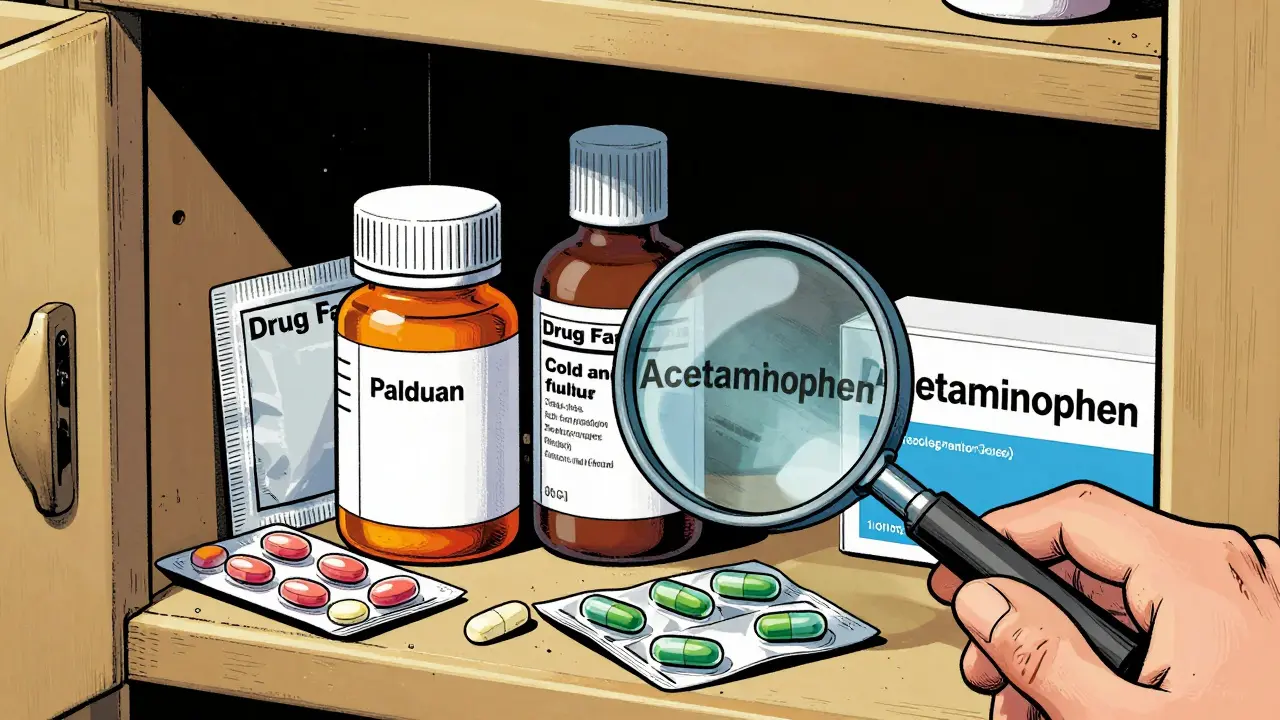
- The "Active Ingredient" Scan: Don't look at the brand name; look at the drug facts label. If you see "Acetaminophen" or "APAP," it counts toward your daily limit.
- The 8-Hour Rule: Space your doses. Taking medication too close together can cause the drug to accumulate in your system faster than your liver can clear it.
- Keep a Medication Diary: This is especially vital for those with chronic conditions. Write down every dose and the exact time you took it.
- Use a Pill Organizer: Marking your organizer with the maximum daily dose can serve as a visual reminder to stop for the day.
Warning Signs: When to Panic
Liver damage doesn't always happen instantly. There is often a window of a few days where you might feel "off" before full-blown failure sets in. According to the National Institute of Diabetes and Digestive and Kidney Diseases, the vast majority of cases show symptoms within 24 to 72 hours.
Watch for these red flags:
- Nausea, vomiting, and a sudden loss of appetite.
- Pain in the upper right side of your abdomen (where your liver is located).
- Dark-colored urine or stools that look like clay.
- Jaundice, which is a yellowing of the skin or the whites of your eyes.
- Extreme fatigue that doesn't go away with rest.
If you suspect an overdose, time is everything. There is an antidote called N-acetylcysteine (NAC) is a medication used to treat acetaminophen overdose by replenishing glutathione levels in the liver. It is most effective if given within 8 hours of ingestion. Once you hit the 16-hour mark, its effectiveness drops significantly. Don't wait for the jaundice to appear-get to an ER immediately.
Long-Term Pain Management Alternatives
If you find yourself reaching for pain relievers every single day, you're in a high-risk zone. Constant use of any OTC analgesic puts a strain on your organs. For those with liver concerns, the American Liver Foundation suggests moving away from pills entirely as a first line of defense.
Consider non-pharmacological options that don't involve hepatic metabolism:
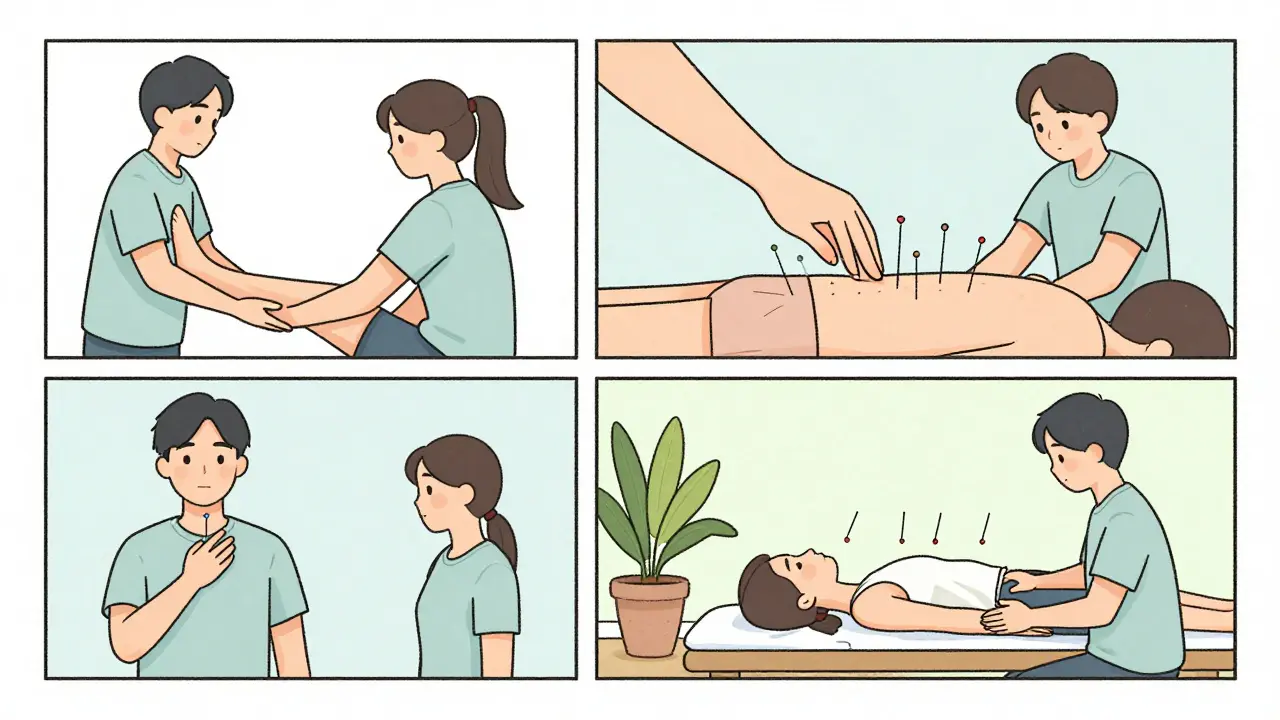
- Physical Therapy: Great for chronic joint or muscle pain.
- Acupuncture: An effective way to manage tension and nerve pain without chemicals.
- Cognitive Behavioral Therapy (CBT): Helpful for managing the psychological aspect of chronic pain, which can reduce the perceived need for medication.
Is acetaminophen safe for people who already have liver disease?
Yes, it is generally considered the preferred OTC pain reliever for liver patients, but only if used under strict dosage limits. While a healthy person can take up to 4,000 mg, those with liver disease should typically limit themselves to 2,000 mg per day and must avoid all alcohol.
Can I take Ibuprofen if I'm worried about my liver?
Ibuprofen is an NSAID and is less likely to cause acute liver failure than acetaminophen. However, it can cause kidney damage and stomach bleeding. If you have cirrhosis or advanced liver disease, NSAIDs can be dangerous as they may impair platelet function and worsen kidney issues.
What is the most dangerous way to take acetaminophen?
The most dangerous scenario is combining high doses of acetaminophen with regular alcohol consumption. This synergy lowers the amount of the drug needed to cause severe liver damage, potentially making doses as low as 2,000 mg toxic.
How do I find out if acetaminophen is in my cold medicine?
Check the "Drug Facts" panel on the back or side of the packaging. Look for the "Active Ingredients" section. It will be listed as Acetaminophen or APAP. If you see these, count the milligrams toward your daily total.
What happens if I exceed the 4,000 mg limit just once?
For a healthy adult, a single slight excursion over the limit might not cause permanent failure, but it can cause oxidative stress. However, toxicity varies by person due to genetics and glutathione levels. If you significantly exceed the limit, you should seek medical advice immediately even if you feel fine.