
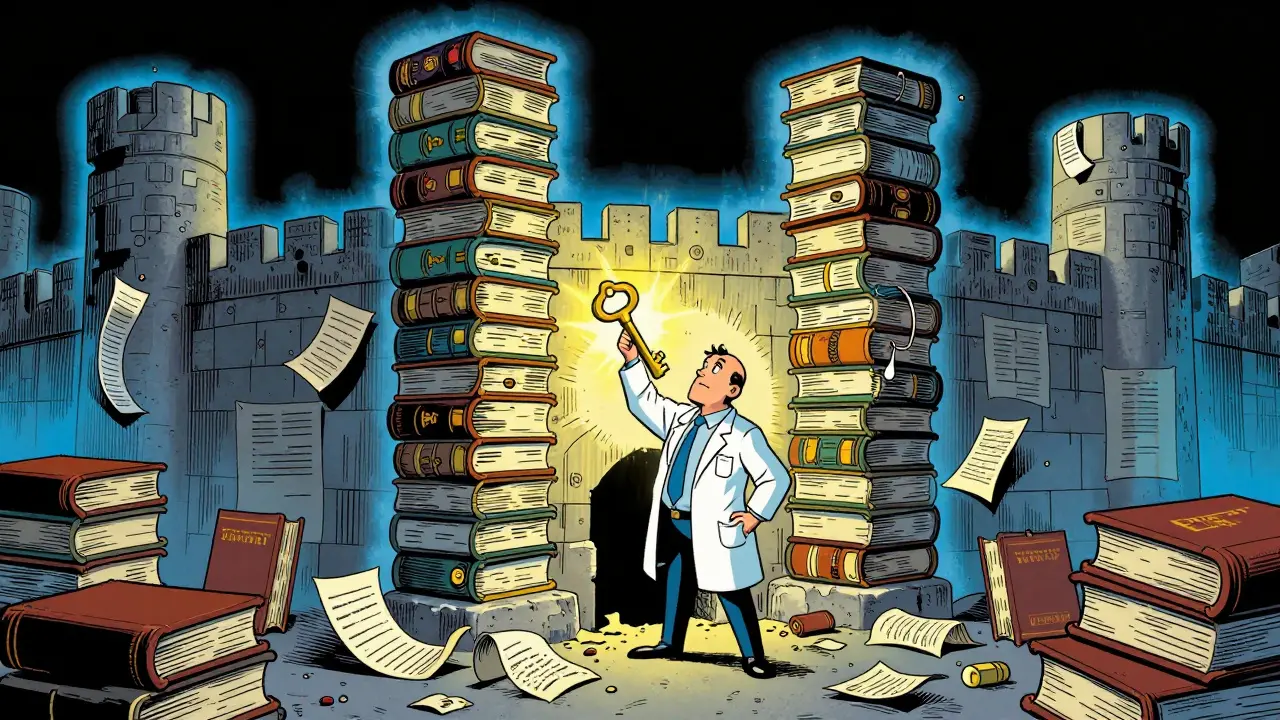

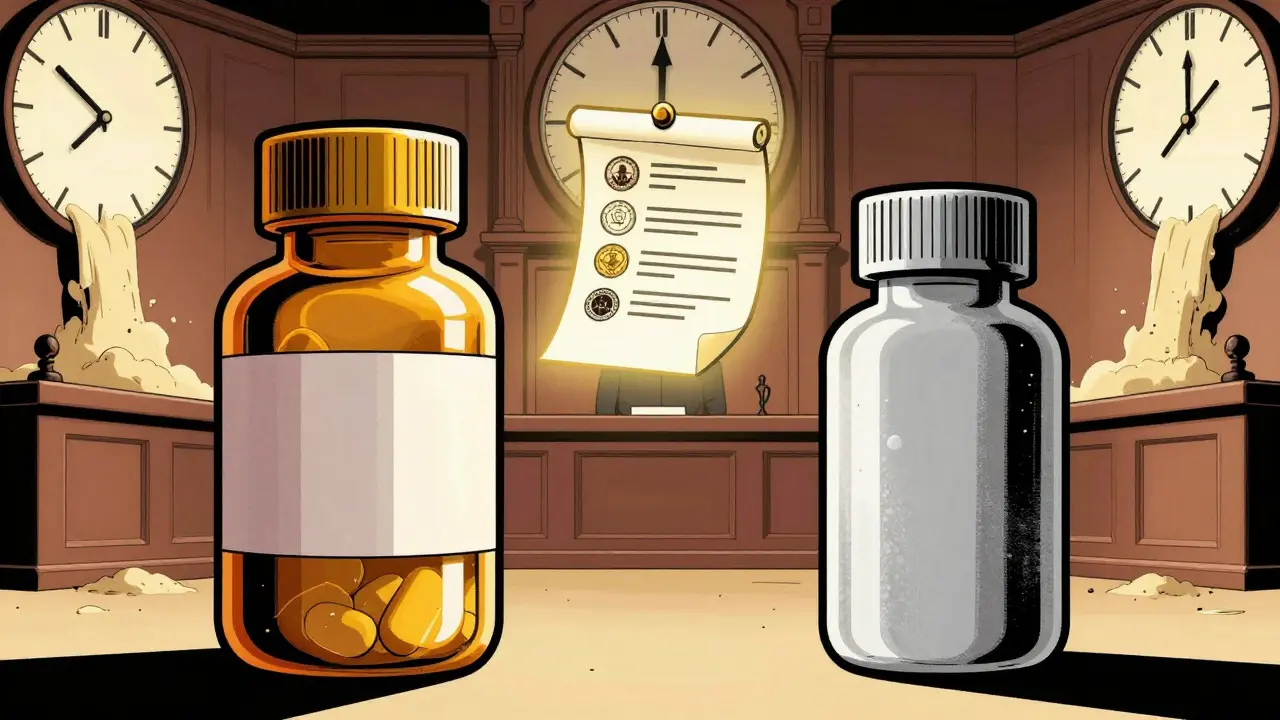
When a brand-name drug hits the market, its price tag is protected by patents. For decades, these patents act as walls, keeping competitors out and prices high. But there is a specific legal key that unlocks these gates before the wall comes down on its own. This mechanism is called the Paragraph IV certification. It is the primary way generic drug manufacturers bypass the waiting room and force a patent trial immediately.
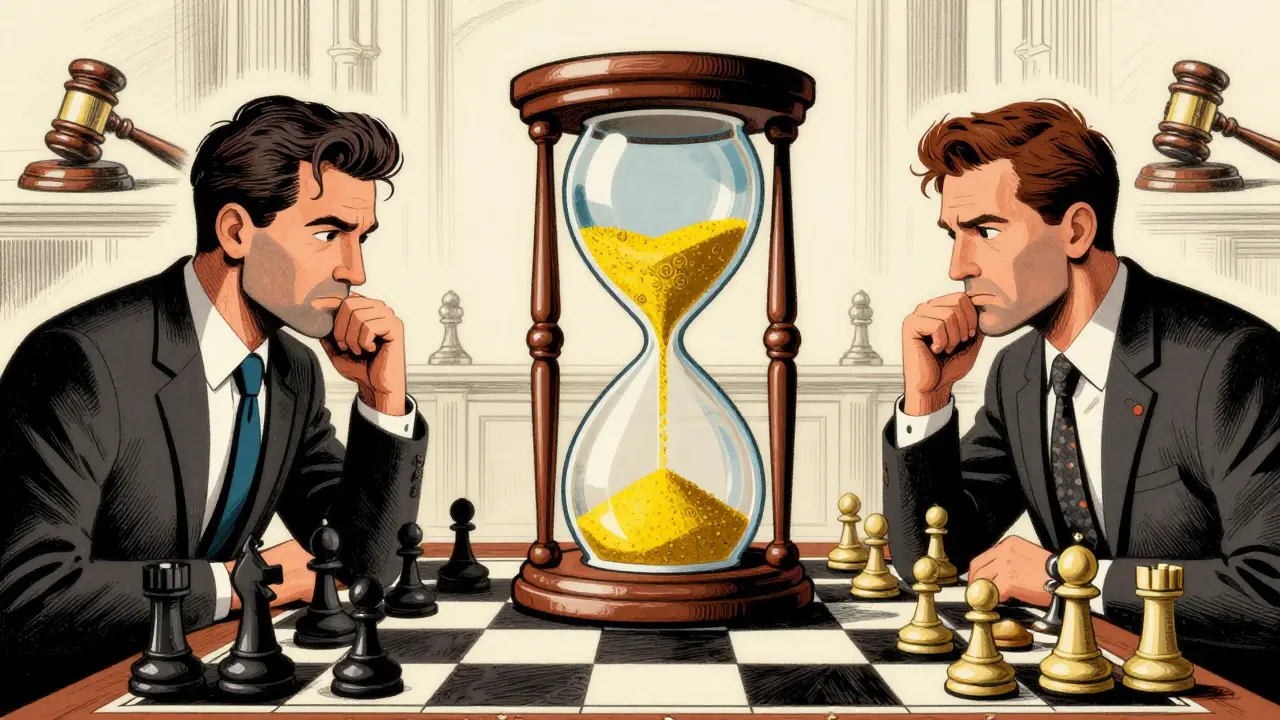
In 2024 alone, this process generated $55.3 billion in generic drug revenue, representing 43% of the entire U.S. generic market. Understanding how this works is crucial for anyone following drug pricing, patent law, or public health policy. It is not just about legal paperwork; it is a high-stakes chess game where billions of dollars rest on timing, patent validity, and court rulings.
The Legal Framework Behind Generic Entry
To understand why this certification matters, you first need to understand the battlefield. The Hatch-Waxman Act isa 1984 federal law signed by President Ronald Reagan that balances innovation and competition in the pharmaceutical industry. Also known as the Drug Price Competition and Patent Term Restoration Act, it created the pathway for what we now know as the Paragraph IV certification. Without this law, generic companies would have to wait until patents fully expired, costing consumers trillions in lost savings.
The heart of the system lies in the relationship between the branded drug and the generic copy. When a company launches a new medication, they submit a New Drug Application (NDA) isa formal proposal submitted by drug sponsors to an authorized health agency requesting permission to sell a new pharmaceutical product to the FDA. As part of this, they list their patents in the Orange Book isan official publication of FDA-approved drug products containing the names and patent status of approved drugs. Any generic manufacturer wanting to enter the market must file an Abbreviated New Drug Application (ANDA) isa submission to the FDA seeking approval to manufacture a generic version of an already approved drug.
Here is where the critical decision happens. When filing the ANDA, the generic company must certify its stance on the listed patents. There are three options, but only one drives immediate action. A Paragraph IV certification states explicitly that the patented claims are invalid, unenforceable, or will not be infringed by the generic product. This assertion transforms the legal standing. Under 35 U.S.C. § 271(e)(2), submitting this application is considered an "artificial act of patent infringement." This allows the brand company to sue immediately, even before the generic product exists or sells a single unit.
Navigating the Litigation Timeline
The beauty of the Paragraph IV system is its rigid timeline. It removes ambiguity about when a legal battle begins. The clock starts ticking the moment the FDA acknowledges the ANDA submission. Within exactly 20 days, the generic applicant must send a notice letter to the brand owner. This notification forces transparency. The brand company cannot sit on the fence; they know exactly who is challenging their monopoly.
Once the notice is sent, the brand has a very short window to respond. They have 45 days to file a patent infringement lawsuit. This 45-day period is critical because it determines the fate of the FDA approval. If the brand files suit within those 45 days, the FDA institutes an automatic stay. This means the agency cannot approve the generic application for a minimum of 30 months. This period gives the courts time to decide the patent's validity without flooding the market with potentially infringing products.
However, this timeline is not absolute. Courts often resolve cases faster than 30 months, especially if the generic proves the patent is flawed. Conversely, delays in discovery or procedural maneuvers can extend this period beyond the statutory limit. Data from 2024 shows that 63% of companies experienced at least one extension due to litigation delays, adding approximately $8.7 million in holding costs per delayed product. The pressure to resolve these disputes quickly is immense.
| Phase | |
|---|---|
| Day 0 | FDA acknowledges ANDA submission with Paragraph IV certification |
| Day 20 | Generic must deliver notice letter to patent holder |
| Day 45 | Brand deadline to file patent infringement lawsuit |
| Month 30+ | Automatic 30-month stay begins if lawsuit is filed |
| Resolution | Court ruling ends stay; FDA approves generic if patent invalidated |
The Prize: 180 Days of Exclusivity
Why would a generic company risk millions in legal fees for a chance to launch? The answer is the 180-day exclusivity period. If you are the first generic to file a valid Paragraph IV certification for a specific drug, you gain exclusive rights to be the sole generic manufacturer for six months. During this window, no other generics can enter the market, not even competitors who filed later. This creates a significant profit opportunity.
In 2023, this provision generated $4.7 billion in additional revenue for first-filing generics. For a blockbuster drug selling $1 billion annually, capturing just 180 days of sales can yield half a billion dollars in pure profit. This financial incentive drives the aggressive strategy seen across the industry. Companies like Teva Pharmaceutical and Mylan lead the field with over 100 filings each year. They treat Paragraph IV challenges as portfolio assets rather than simple legal compliance tasks.
This exclusivity period is worth fighting for, but it comes with strings attached. Settle-ments often happen during the litigation phase. Industry analysts documented 247 settlements in 2024 alone. Many of these contain "pay-for-delay" provisions, where the brand pays the generic to delay launch. In some cases, generic companies agree to launch only after 75% of the exclusivity period is gone. These agreements save the risk of damages but cut potential revenue by up to 60%. The Federal Trade Commission actively challenges these arrangements, having filed 17 antitrust lawsuits between 2023 and 2024 to protect competition.
Brand Defense Strategies and Counter-Tactics
If generic filers see this as a prize, brand companies see it as an existential threat. Their defense involves complex strategies designed to thicken the patent landscape. Instead of listing one patent for a drug, many companies list multiple. An analysis from Gabriele's 2025 Health Law Professors Conference shows the average number of patents per drug jumped from 7.2 in 2005 to 17.3 in 2024. This tactic forces the generic to invalidate every single patent to proceed, multiplying the cost and difficulty of the challenge.
Another common tactic is product-hopping. Just before a patent expires, the brand reformulates the drug slightly-perhaps changing the delivery mechanism or adding a new indication-and lists a new patent in the Orange Book. By 2024, 31% of Paragraph IV targets faced this maneuver. This moves the goalpost, forcing the generic to restart the bioequivalence testing process. In some cases, brands utilize "skinny labels" or Section viii carve-outs. Here, the generic agrees to exclude the patented use from their label. For example, if a drug is approved for Conditions A, B, and C, but only Condition C is patented, the generic launches only for A and B. This accounts for 37% of filings, offering a middle ground for market entry.
Economic Impact and Consumer Benefits
While the corporate battle sounds abstract, the outcome directly affects consumer wallets. The FTC reports that Paragraph IV challenges have saved U.S. consumers a cumulative $2.2 trillion since 1984. In 2024 alone, these challenges resulted in annual savings of roughly $192 billion. The entry of a generic competitor typically drops drug prices by 80% or more within the first year. Without the Paragraph IV mechanism, patients would continue paying premium prices long past the point of innovation.
The success rate for generic challengers has improved in recent years. Before 2020, generics won patent validity disputes about 41% of the time. Between 2020 and 2025, that rate rose to 58%. This shift is partly due to Supreme Court decisions that limited patent eligibility criteria. The trend indicates a leveling of the playing field. However, the cost remains high. Generic companies spend an average of $12.3 million per challenge in legal fees. Not every attempt results in victory, making the risk calculation vital for survival.
Looking Ahead at Regulatory Changes
The landscape is shifting again. The FDA released rule updates in October 2022 clarifying amendment procedures for Paragraph IV certifications. These rules tighten the documentation required for changes in drug strength or crystalline structure. Furthermore, a proposed 2026 rule aims to require brand manufacturers to justify each Orange Book patent listing. Analysts predict this could reduce patent thickets by 30-40%. The goal is to stop brands from burying weak patents behind walls of bureaucracy.
Despite these adjustments, the core tension remains. Innovation requires protection, but access requires competition. Paragraph IV certifications remain the linchpin holding these two values together. Whether you are a patent attorney tracking filing windows or a healthcare advocate pushing for lower drug costs, understanding this mechanism is essential. The next decade will likely see further legal battles over the definition of infringement and the scope of settlement restrictions.
Frequently Asked Questions
What is a Paragraph IV certification?
It is a formal statement within an Abbreviated New Drug Application (ANDA) where a generic manufacturer asserts that patents listed in the FDA’s Orange Book are invalid, unenforceable, or will not be infringed by their generic product.
Who receives the 180-day exclusivity period?
The first generic applicant to successfully file a Paragraph IV certification and litigate the patent dispute receives 180 days of market exclusivity, preventing other generics from launching during that window.
How does the 30-month stay work?
If the brand files a patent lawsuit within 45 days of receiving notice, the FDA automatically pauses approval of the generic application for 30 months to allow the legal dispute to be resolved.
Can brands delay generic entry beyond 30 months?
Yes, if litigation drags on, extends due to appeals, or if settlements include pay-for-delay agreements, generic entry can be pushed back significantly past the initial 30-month window.
What is the economic impact of these certifications?
These challenges have cumulatively saved consumers $2.2 trillion since 1984, driving prices down by over 80% upon generic entry and generating billions in revenue for successful challengers.
What is a "patent thicket"?
This occurs when brand manufacturers list multiple patents for a single drug in the Orange Book, forcing generic companies to challenge each patent individually to secure approval.
Ultimately, the Paragraph IV system defines the modern rhythm of pharmaceutical innovation. It forces a confrontation rather than a stalemate. While the rules evolve, the principle remains constant: patents should protect true innovation, not perpetual monopolies.
9 Comments
Another trillion saved while CEOs get their bonuses paid out tax free.
The Hatch-Waxman Act fundamentally altered the statutory landscape for ANDA submissions.
When filing a Paragraph IV certification, the applicant asserts invalidity under 35 U.S.C. 271(e)(2).
This creates an artificial act of infringement allowing immediate litigation.
The FDA subsequently institutes an automatic stay upon notice receipt.
A thirty-month exclusivity period protects the brand during adjudication phases.
Orange Book listings are critical determinants for eligibility here.
Patent thickets often complicate the bioequivalence testing protocols required.
Generic manufacturers must navigate Section viii carve-outs strategically.
Product hopping remains a significant barrier to effective market entry.
Settlement agreements sometimes contain antitrust violations known as pay-for-delay.
The FTC actively monitors these vertical restraints in the marketplace.
Ninety-day windows exist for approval if litigation resolves quickly.
Revenue projections depend heavily on the timing of the first-filing award.
Eighteen days prior to launch, notification requirements must be met precisely.
Regulatory clarity continues to evolve amidst recent Supreme Court rulings.
It is crucial for stakeholders to understand these mechanisms fully.
But we have to remember the good side too!!! This process saves everyone so much money eventually!!!
The 180-day exclusivity period allows generics to actually profit from their hard work!!! It motivates companies to challenge bad patents aggressively!!! Patients deserve access to affordable medicine without delay!!! The data shows prices drop significantly once these approvals land!!! Competition is always good for the consumer wallet in the long run!!! We should celebrate innovation that helps people live better lives!!! Every dollar saved is a dollar put back into families!!! Keep pushing for transparency in these legal battles!!!
Don't believe the hype about consumer savings.
The regulatory framework appears robust despite occasional bottlenecks in execution.
Statutory deadlines provide necessary predictability for investors and stakeholders alike.
Court interventions remain the primary variable affecting timeline adherence rates.
Documentation standards continue to increase complexity for generic applicants.
Economic incentives drive behavior more effectively than voluntary compliance measures.
The essence of modern capitalism relies on monopolies protected by law
We observe a tension between intellectual property and public welfare needs
Innovation requires reward structures to incentivize private capital investment
Yet access to medication becomes a right rather than a commodity privilege
The legal mechanism described here attempts to balance these opposing forces
Patents function as temporary barriers against market saturation dynamics
Generic entry disrupts pricing models established by initial research funding
Consumers benefit from reduced costs when competition finally arrives
However litigation delays erode the economic value created by challengers
The system encourages strategic behavior from both pharmaceutical giants
Courts decide the validity claims based on evidence presented in briefs
Exclusivity periods create high stakes races for early adopters
Market outcomes reflect broader societal values regarding health equity
We must consider the ethical implications of drug pricing strategies
True progress lies in aligning profit motives with human survival needs
You are completely missing the bigger picture of healthcare accessibility!
Competition drives down costs and forces innovation to improve quality consistently!
We cannot allow legacy companies to hold our patients hostage with outdated patents!
This aggressive legal strategy is exactly what the market desperately needs!
Patients suffer most when monopolies dictate pricing without resistance!
Every successful challenge paves the way for better future therapies!
We must support these generic firms fighting for fair access to care!
Both sides have valid points regarding patent protection.
Brand companies invest heavily in research and development cycles.
Generic manufacturers bring essential competition to lower prices later.
The system works best when timelines are respected by all parties.
Legal certainty helps everyone plan their business strategies effectively.
Balance is key to maintaining industry health over time.
interesting perspective from outside us context
other regions handle this differently