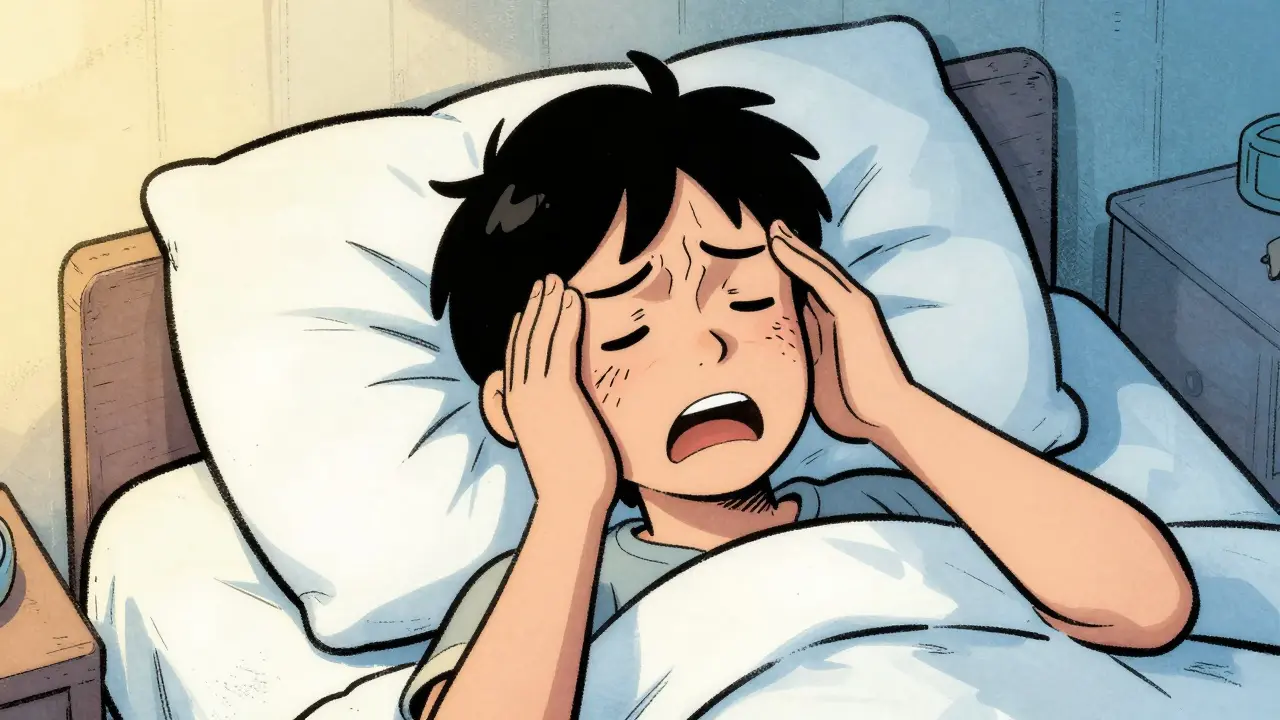

You wake up with a pounding headache, a stuffed-up nose, and a feeling of intense pressure behind your cheeks. Your first instinct is probably to call the doctor and ask for a Z-Pak or some amoxicillin. But here is the catch: in about 90% to 98% of acute cases, sinusitis is an inflammation of the nasal cavity and paranasal sinuses caused by a virus. If it's viral, antibiotics won't do a thing except possibly upset your stomach or, in rare cases, lead to a serious infection like Clostridioides difficile. Knowing the difference between a cold that's lingering and a bacterial infection can save you a wasted trip to the pharmacy and a lot of unnecessary medication.
The Main Difference: Viral vs. Bacterial
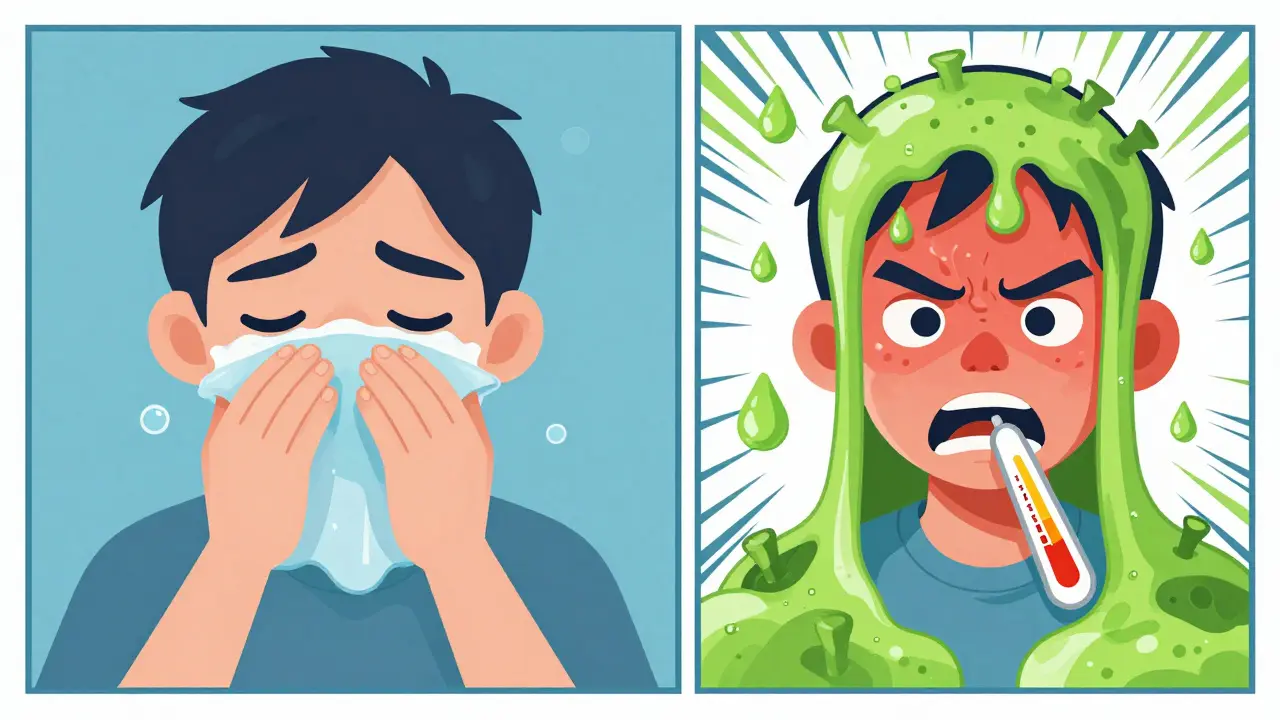
Most people use the word "sinus infection" as a blanket term, but doctors look at a few specific markers to figure out what's actually happening in your head. Viral sinusitis is basically a complication of the common cold. Your nasal passages swell, mucus gets trapped, and you feel miserable. However, because it's caused by a virus, your own immune system is the only thing that can clear it out.
Bacterial sinusitis happens when those trapped fluids become a breeding ground for bacteria, such as Streptococcus pneumoniae or Haemophilus influenzae. This is much less common but requires a different strategy. If you've been feeling sick for over a week and you're not getting better, you might have crossed the line from a simple virus to a bacterial infection.
| Feature | Viral Sinusitis | Bacterial Sinusitis |
|---|---|---|
| Duration | Usually 7-10 days | 10+ days or "double-worsening" |
| Mucus Color | Clear to white | Thick, yellow or green (purulent) |
| Pain Level | Mild facial pressure | Severe pressure, often one-sided |
| Fever | Rarely high | Possible fever above 102°F (38.9°C) |
| Treatment | Supportive care (rest/fluids) | May require antibiotics |
When Should You Actually Worry?
Timing is everything. Many of us feel like we need medicine by day three because the pressure is annoying. But clinical guidelines, including those from the American Academy of Otolaryngology, suggest that the "magic number" is 10. If your symptoms last longer than 10 days without any improvement, the odds of a bacterial infection go up.
Then there is the "double-worsening" pattern. Have you ever felt like you were finally getting over a cold, only to wake up on day six feeling ten times worse? This is a huge red flag. It often means a viral infection cleared the way for bacteria to take over. Other specific signs that point toward bacteria include severe pain in your upper teeth (maxillary tooth pain) or intense pressure that only affects one side of your face.
If you experience "red flag" symptoms-like changes in your vision, a severe headache that doesn't respond to painkillers, or a high fever that lasts more than three days-don't wait for the 10-day mark. Get to a doctor immediately, as these can be signs of complications.
How to Treat a Viral Infection at Home
Since antibiotics are useless against viruses, the goal is to keep the mucus moving so your sinuses can drain. This is called supportive care. It's not a "cure" in the way a pill is, but it's the most effective way to recover without side effects.
- Hydration: Drink at least 2 to 3 liters of water daily. It thins the mucus, making it easier to blow out.
- Saline Irrigation: Use a Neti Pot or a saline spray 2-3 times a day. Just remember to use distilled or previously boiled water-never use straight tap water.
- Humidity: Keep your air moist (ideally between 40-60% humidity). A cool-mist humidifier in your bedroom can stop your nasal passages from drying out overnight.
- Pain Relief: Over-the-counter options like acetaminophen or ibuprofen can handle the facial pressure and headaches.
Some people find that nasal corticosteroids help reduce swelling, but these are best used under a doctor's guidance to avoid rebound congestion.
The Role of Antibiotics: Use With Caution
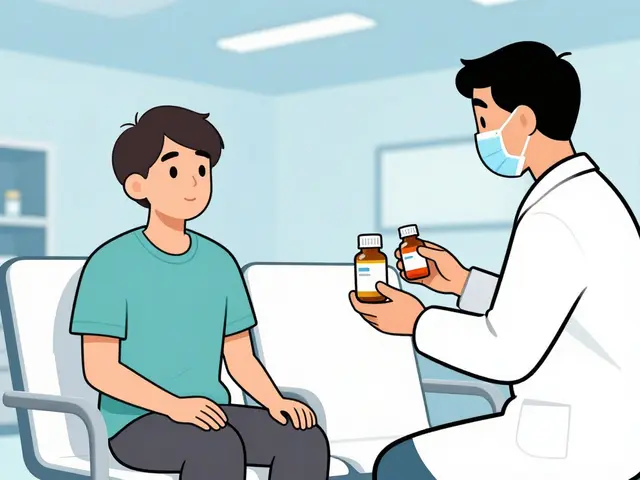
When a doctor confirms it is bacterial sinusitis, they might prescribe antibiotics. The first choice is often Amoxicillin, typically 500mg three times a day for about 5 to 10 days. If you've taken antibiotics recently or live in an area with high resistance, they might use amoxicillin-clavulanate instead.
Why not just take them every time? Because of antimicrobial resistance. When we use antibiotics for viral infections, we don't kill the virus, but we do kill the "good" bacteria in our gut and teach the "bad" bacteria how to survive the drugs. This makes future infections much harder to treat. There is also the risk of C. diff, a severe gut infection that can lead to hospitalization, especially for people with weakened immune systems.
Interestingly, research from the Cochrane Database shows that for many people, antibiotics only provide a modest benefit. In some trials, the difference in recovery time between those who took antibiotics and those who took a placebo was surprisingly small. This is why many doctors are now more hesitant to prescribe them immediately.
Modern Diagnostics and the Future
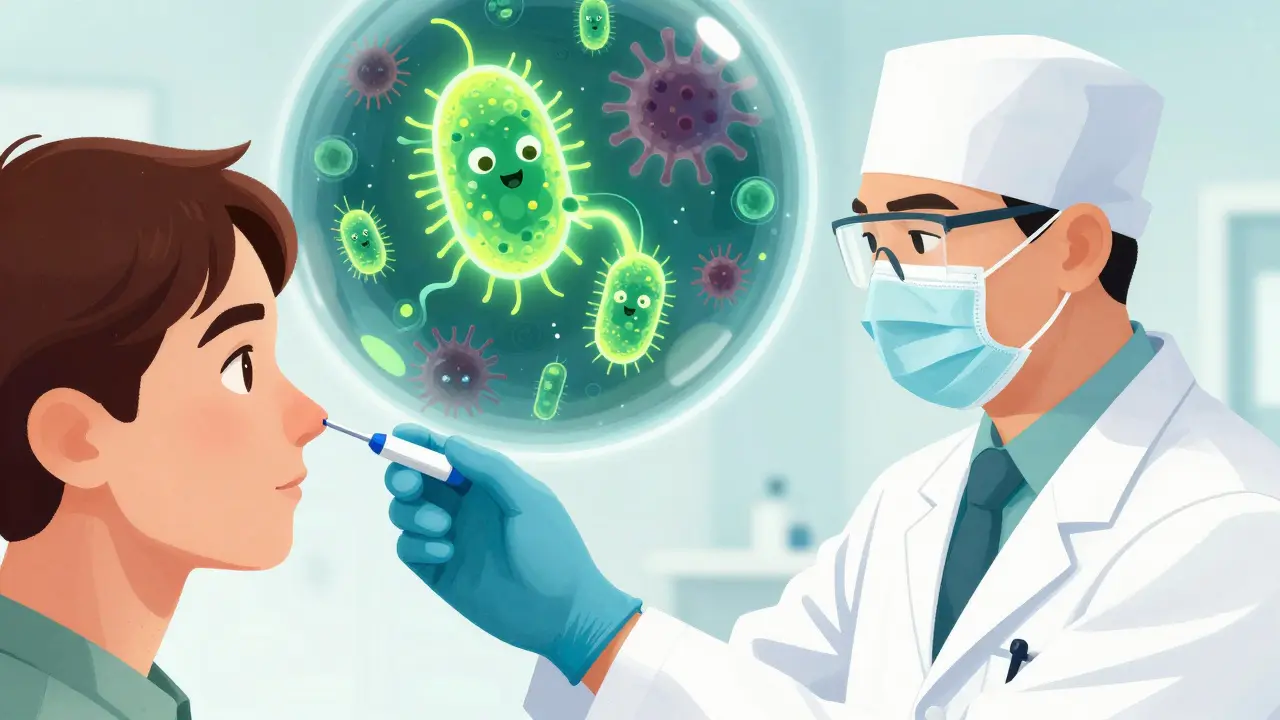
We are moving away from the "guess and check" method of treating sinuses. New tools are making it easier to tell exactly what is causing the problem. For instance, the FDA recently approved the SinuTest, a rapid point-of-care test that can detect bacterial pathogens with high accuracy. Instead of waiting 10 days, a quick swab could tell you if you actually need a prescription.
There is also exciting work being done with nasal probiotics. Early clinical trials suggest that introducing healthy bacteria into the nasal microbiome could reduce the number of recurrent infections by as much as 42%. In the future, we might treat sinusitis by balancing the bacteria in our nose rather than just trying to wipe everything out with heavy-duty drugs.
How can I tell if my mucus color means I need antibiotics?
While yellow or green mucus is often associated with bacterial infections, it isn't a foolproof rule. Viral infections can also cause colored mucus as your immune system sends white blood cells to the area. The most important factors are how long the symptoms last (10+ days) and whether you are getting better or worse.
Can a CT scan tell if my sinus infection is bacterial?
Not necessarily. CT scans show the anatomy and whether the sinuses are blocked or inflamed, but they can't identify the specific germ (virus vs. bacteria) causing the inflammation. Many healthy adults have abnormalities on their CT scans without having an active infection, so these are usually reserved for chronic cases or suspected complications.
Is it safe to use a Neti Pot every day?
Yes, saline irrigation is generally safe and recommended for both viral and bacterial sinusitis. However, you must use distilled, sterile, or previously boiled water. Using untreated tap water can lead to extremely rare but fatal brain infections caused by amoebas.
What happens if I stop taking antibiotics early?
Stopping antibiotics as soon as you feel better can leave the strongest bacteria alive. This increases the risk that the infection will return and may contribute to the development of antibiotic-resistant strains of bacteria.
Can stress or allergies cause sinusitis?
Allergies are a major trigger. They cause the nasal lining to swell, which blocks the sinus openings and traps mucus, creating the perfect environment for a secondary bacterial infection to take hold. Stress doesn't cause the infection directly but can weaken your immune system, making you more susceptible to viruses.
Next Steps for Recovery
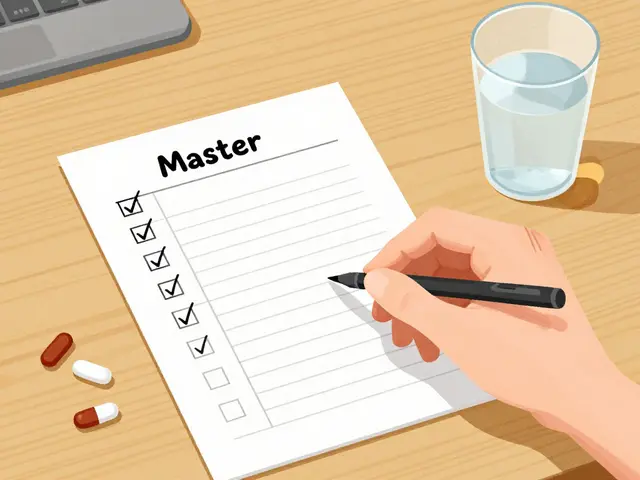
If you are currently struggling with sinus pressure, start a symptom diary. Track the date, the color of your mucus, and your pain levels on a scale of 1 to 10. If you reach day 10 without improvement, or if you experience that "double-worsening" spike, take your diary to your doctor. This gives them the data they need to make an accurate diagnosis and prevents the guesswork that often leads to unnecessary prescriptions.
For those who suffer from recurrent infections, focus on long-term management. Consistent saline irrigation and managing underlying allergies with a primary care physician can often break the cycle of infections, potentially removing the need for antibiotics entirely.