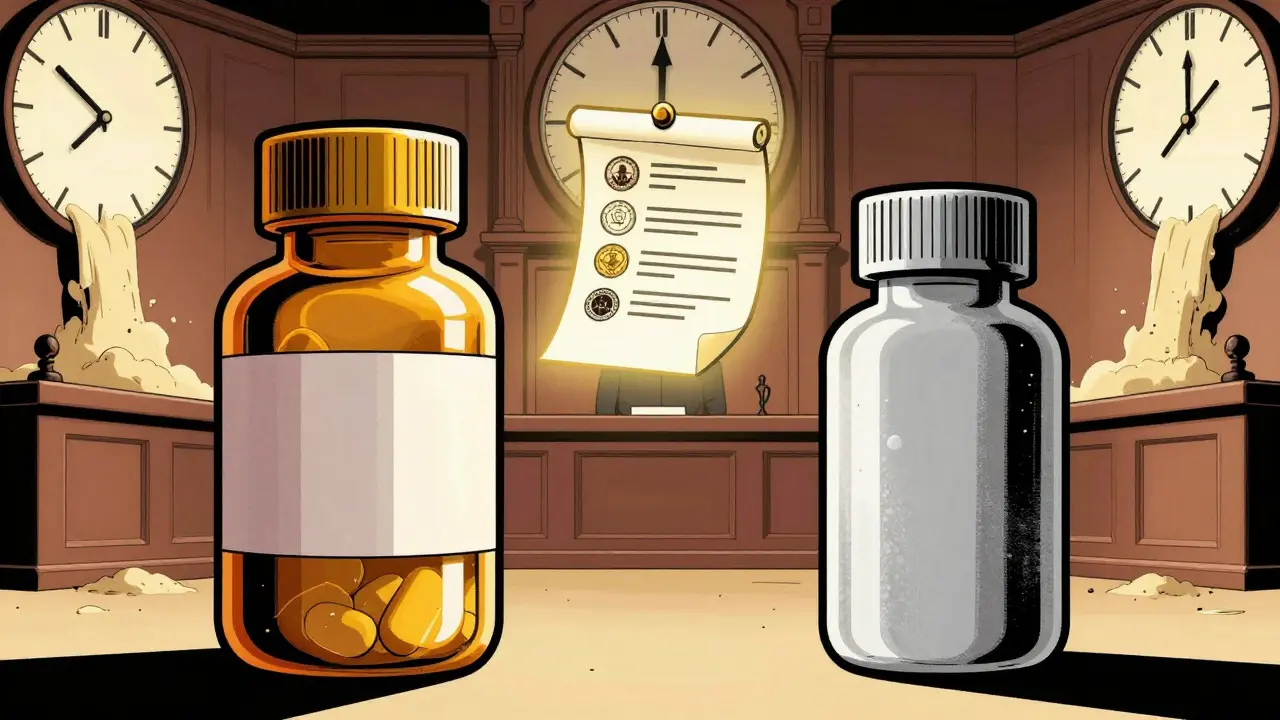

Imagine you are waiting for a generic version of a life-saving medication to hit the shelves, but the price tag remains stubbornly high because a large pharmaceutical company claims they hold the rights. Meanwhile, a smaller competitor is ready to sell their cheaper version but is legally barred from doing so. You might wonder who decides when that switch happens. It often comes down to a specific legal maneuver called a Paragraph IV certification. As of today in late March 2026, this mechanism remains the primary engine driving competition in the U.S. drug market. It allows generic manufacturers to step into the ring before the patent expiration date, challenging the validity of intellectual property directly.
The Legal Engine Behind Generic Entry
To understand why this matters, we need to look back at 1984. That year, President Ronald Reagan signed the Drug Price Competition and Patent Term Restoration Act, widely known as the Hatch-Waxman ActHatch-Waxman AmendmentsFederal legislation balancing patent protection for innovators and generic competition. Before this act, generic companies had to wait until every single patent expired before making a move. The risk was too high to launch a product early. The new law created a streamlined process, allowing generics to submit an Abbreviated New Drug Application (ANDA)Regulatory pathway for generic drug approval based on bioequivalence studies while simultaneously stating that a specific patent listed for the brand drug is invalid or unenforceable.
This statement is the Paragraph IV certification. It essentially tells the court and the FDA: "We believe this patent doesn't hold up." It flips the script. Instead of a generic company launching and getting sued later, they notify the brand holder beforehand. This creates a structured battlefield. According to legal experts at Fish & Richardson, this setup resolves the timing dilemma where brand companies would otherwise wait for actual market harm to sue, while generic firms feared entering with potential catastrophic damages.
Countdown Timelines That Shape Markets
The clock starts ticking the moment a generic company files their application with the Food and Drug Administration. They have exactly twenty days to send a formal notice letter to the brand-name manufacturer. If the brand company decides to fight, they have precisely forty-five days to file a patent infringement lawsuit. This window is tight. Most companies utilize it fully. When litigation commences, the FDA institutes a thirty-month stay during which it cannot approve the ANDA.
This thirty-month period is crucial. It effectively pauses the generic launch. However, courts can resolve cases sooner, sometimes in eighteen months. Or, procedural delays can stretch this out to over three years. By 2025, analyses show the average resolution time sat around twenty-eight point seven months. This delay is significant. For a patient waiting on insulin or heart medication, these months mean paying premium prices. For the generic company, it's a holding cost. Industry reports indicate these delays added approximately eight point seven million dollars in holding costs per delayed product in 2023.
The High Stakes of Financial Reward
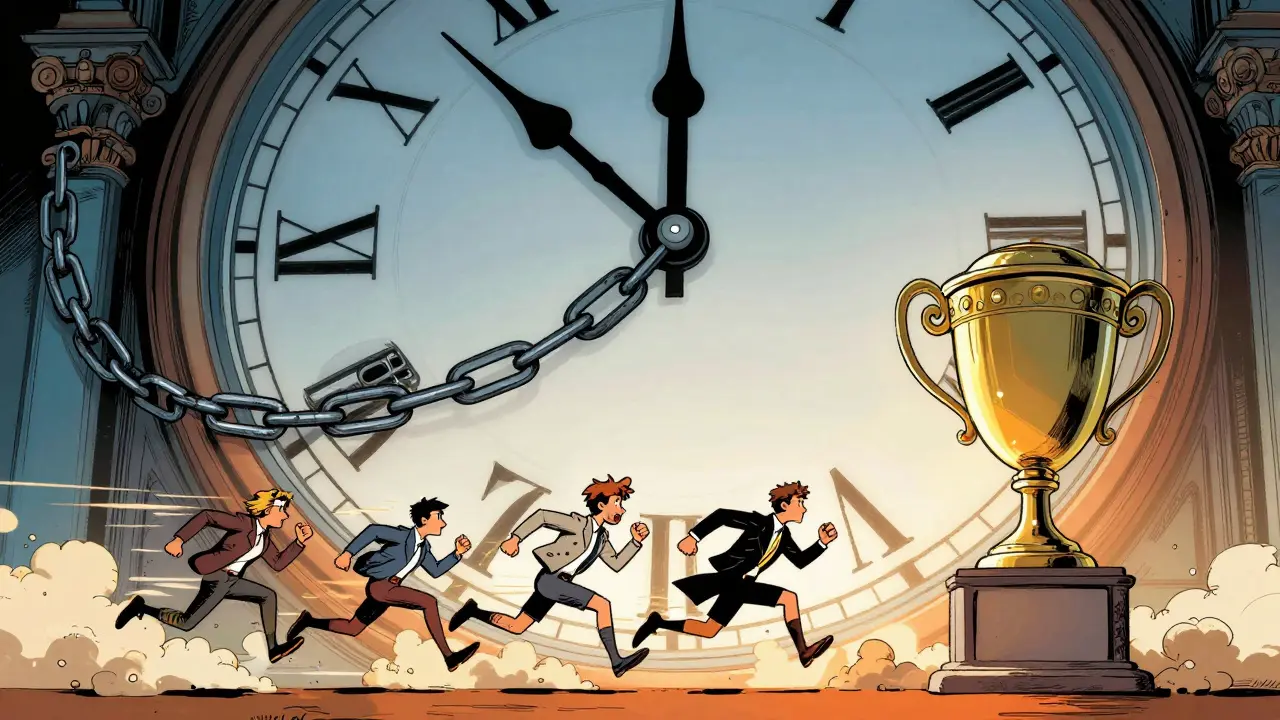
Why would a company spend millions to fight a lawsuit? Because of exclusivity. The first generic applicant to successfully challenge a patent receives one hundred eighty days of market exclusivity. During this window, even other generic competitors cannot enter. It is a massive prize. In 2023 alone, this provision generated four point seven billion dollars in additional revenue for first-filing generics.
| Metric | Average Value (2024-2025) | Impact |
|---|---|---|
| Litigation Cost Per Challenge | $12.3 Million | High Upfront Investment |
| Average Resolution Time | 28.7 Months | Delayed Revenue Stream |
| Exclusivity Revenue Potential | $500 Million+ | Massive ROI if First |
| Success Rate (Post-2020) | 58% | Favorable for Challengers |
If you're the first to win, you get the exclusivity. The second filer gets nothing special. This race dynamic drives the intense competition among companies like Teva Pharmaceutical, Mylan, and Sandoz. In 2024, Teva led the pack with 147 filings. But it is a risky game. Sixty-three percent of companies experienced at least one extension of that thirty-month stay due to litigation delays. A settlement often involves a payment from the brand to the generic to delay launch-known as pay-for-delay.
Strategic Maneuvers and Carve-Outs
Companies don't always fight head-on. Sometimes they use a strategy called Section viii "carve-outs." Imagine a drug approved for Conditions A, B, and C. Only Condition C has an active patent. A generic can launch for Conditions A and B with a "skinny label" that excludes C. This allows them to capture a slice of the market while respecting the remaining IP rights. West Health Institute found that about 37% of Paragraph IV filings employ this nuance. It shows how tactical the process has become.
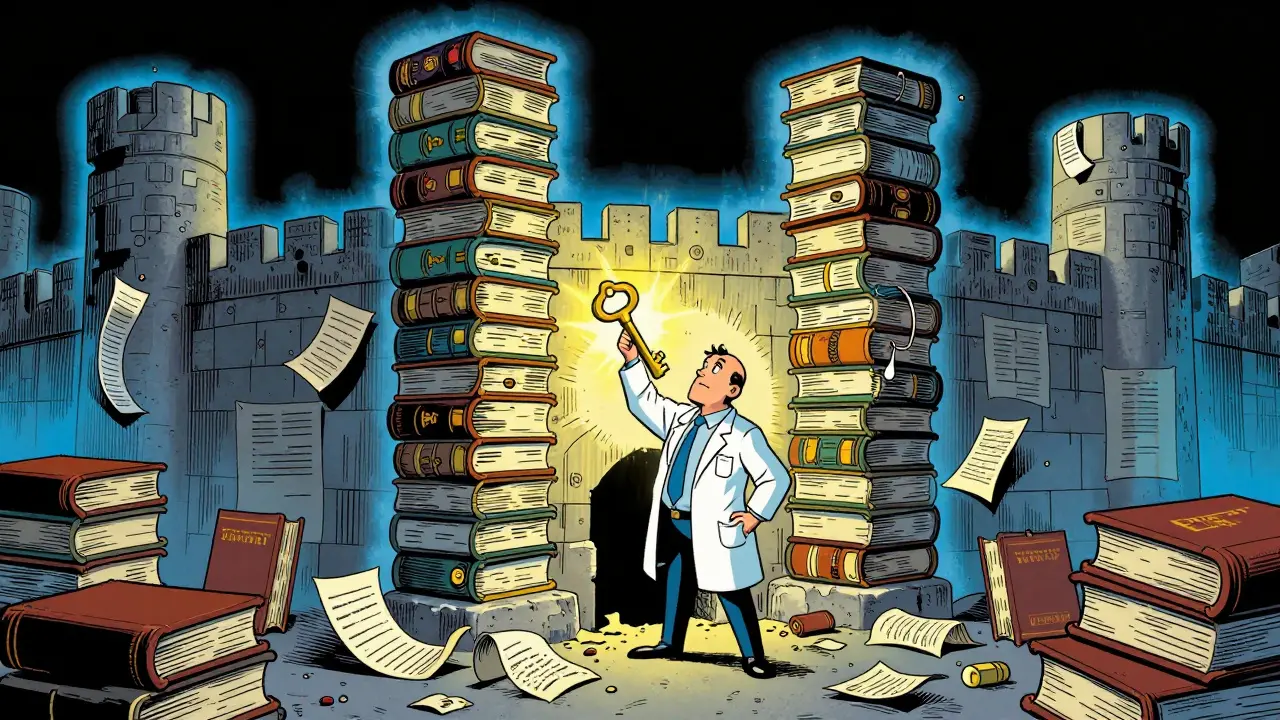
However, brand manufacturers aren't sitting idle. They list an increasing number of patents to create "patent thickets." Data from Sarah M.E. Gabriele indicates the average number of patents per drug jumped from 7.2 in 2005 to 17.3 in 2024. Every new patent requires a new challenge. Generic firms now spend upwards of two years preparing just one filing. They analyze crystalline structures, delivery methods, and dosage strengths to find the weak link.
The Outlook for 2026 and Beyond
Looking ahead from today, the landscape is shifting again. The FDA released proposed rules in 2026 requiring brands to justify each patent listing more rigorously. Analysts predict this could reduce those thicket barriers by 30%. Furthermore, the Federal Trade Commission filed seventeen antitrust lawsuits in 2024 targeting settlements that delayed generic entry. If these trends continue, consumers might see faster price drops on essential medicines. Yet, emerging challenges loom, particularly with complex biologics under the Biosimilars pathway, which lacks equivalent patent challenge mechanisms.
What happens if the brand company ignores the notice?
If the patent holder does not file a lawsuit within forty-five days of receiving the Paragraph IV notice, the generic company can proceed with their application. The thirty-month stay is triggered only by a lawsuit. If there is no suit, the FDA can review and approve the drug based on the standard administrative schedule.
Does winning the patent challenge guarantee immediate approval?
Generally, yes, regarding the patent barrier. Once the court rules against the patent validity or non-infringement, the FDA lifts the thirty-month stay. The agency must then complete its administrative review of the drug's safety and quality. In some cases, companies execute an "at-risk" launch even while the lawsuit is pending.
Can multiple generic companies challenge the same patent?
Yes, often multiple firms will file separate Paragraph IV certifications for the same drug. However, only the first one submitted to the FDA gains the eligibility for the one hundred eighty-day market exclusivity. Others may settle for later entry dates.
Why do success rates vary between 2003 and 2025?
Success rates rose significantly, reaching fifty-eight percent by 2025 compared to forty-one percent previously. This shift correlates with Supreme Court decisions limiting what types of processes qualify for patents. Courts are scrutinizing patents more closely, making it easier for generics to prove invalidity.
How does the FDA Orange Book fit into this process?
The Orange Book lists all approved drug products along with the patents protecting them. When filing a Paragraph IV certification, the generic company specifically identifies the patent numbers in this book they wish to challenge. Without being listed there, a patent generally cannot block generic approval via this pathway.