Suicidal Ideation and Antidepressants: What You Need to Know
When someone is struggling with suicidal ideation, thoughts of ending one’s own life, often linked to severe depression or other mental health conditions, the decision to start an antidepressant, a medication used to treat depression, anxiety, and other mood disorders by balancing brain chemicals can feel overwhelming. It’s not just about feeling better—it’s about surviving. But there’s a real concern: do these drugs make suicidal thoughts worse before they get better? The answer isn’t simple, and it’s not the same for everyone.
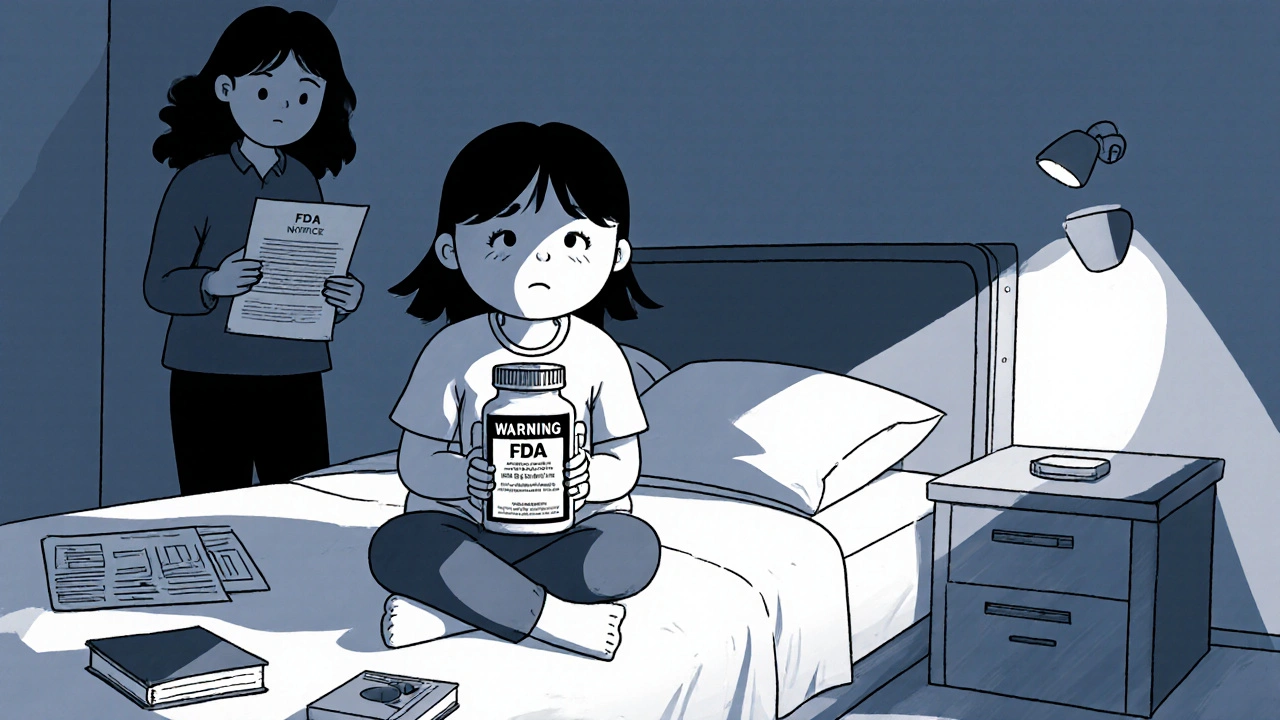
Research shows that for some people—especially teens, young adults under 25, and those with a history of impulsive behavior—antidepressants can trigger a spike in suicidal thinking during the first few weeks of treatment. This doesn’t mean the drug is dangerous for everyone. In fact, for most adults, antidepressants reduce suicide risk over time by lifting depression. But the early risk is real enough that the FDA requires a black box warning on all antidepressants. It’s not a reason to avoid them—it’s a reason to be watched closely. If you or someone you care about starts an antidepressant, watch for sudden changes: increased agitation, panic attacks, insomnia, or talking about death. These aren’t normal side effects—they’re red flags.
Not all antidepressants carry the same risk. SSRIs like sertraline and escitalopram are often first-line choices because they’re better tolerated and have more data supporting their safety. But even then, dosing matters. Starting low and going slow reduces the chance of early side effects. And combining medication with therapy—like CBT or talk therapy—makes a big difference. Studies show people who get both meds and counseling have lower relapse rates and fewer suicidal thoughts than those who take meds alone.
What about older antidepressants? Tricyclics like dosulepin (Prothiaden) and newer ones like vilazodone? They’re less commonly prescribed today, but they still work. The key isn’t which drug you pick—it’s how you monitor. Regular check-ins with your doctor in the first month are non-negotiable. If you feel worse, don’t wait for your next appointment. Call your provider. If you’re worried about a loved one, don’t hesitate to stay with them until they’re seen.
There’s also the issue of stopping antidepressants too soon. People often quit because they feel worse at first, or because they think the meds aren’t working. But withdrawal can mimic or worsen depression symptoms, including suicidal thoughts. Never stop cold turkey. Tapering under medical supervision is the only safe way out.
And let’s not forget the role of other meds. Some drugs—like certain blood pressure pills, steroids, or even over-the-counter sleep aids—can interact with antidepressants and affect mood. If you’re taking multiple meds, your pharmacist should flag potential risks. Don’t assume your doctor knows everything you’re on. Be your own advocate.
Below, you’ll find real, practical guides from people who’ve walked this path. Some explain how they recognized warning signs in themselves. Others compare different antidepressants, like Prothiaden versus newer options, and what their side effects really felt like. You’ll also see how timing, diet, and even sleep patterns can influence how these drugs affect your mind. This isn’t theory. It’s lived experience, backed by science.