Bleeding Risk: What You Need to Know About Medications That Increase It
When you take a medication that affects how your blood clots, you’re playing with something invisible but powerful: your body’s ability to stop bleeding. This is what we call bleeding risk, the chance that a drug will cause uncontrolled or dangerous bleeding. Also known as hemorrhagic risk, it’s not just a footnote in the drug leaflet—it’s a real, measurable threat that can turn a routine dose into a life-or-death situation. It doesn’t matter if you’re on a cheap generic or a brand-name drug. If it interferes with clotting, you’re at risk.
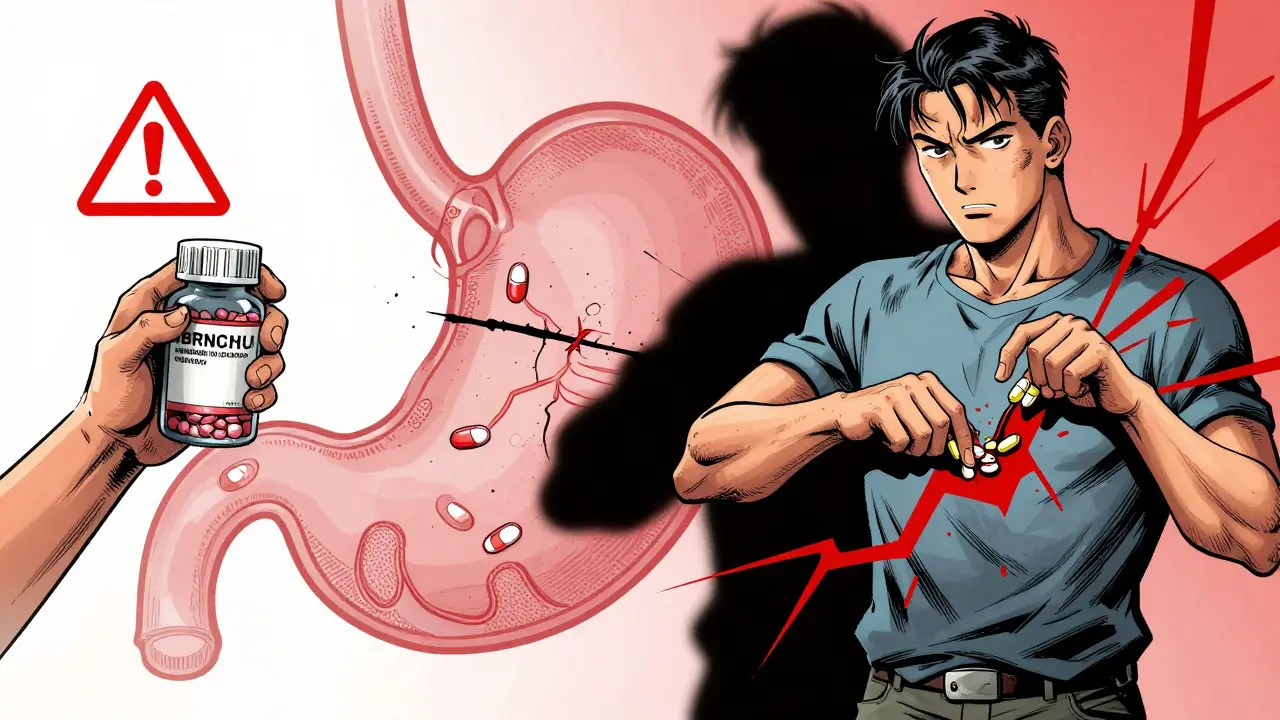
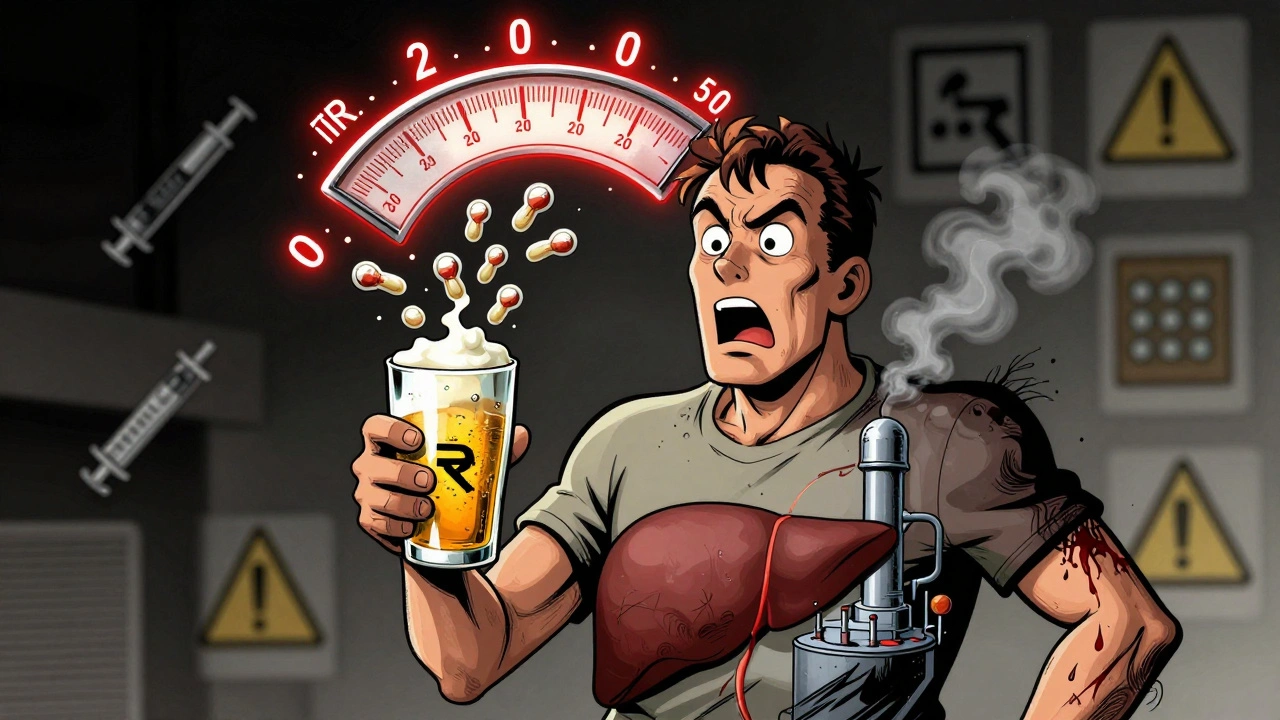
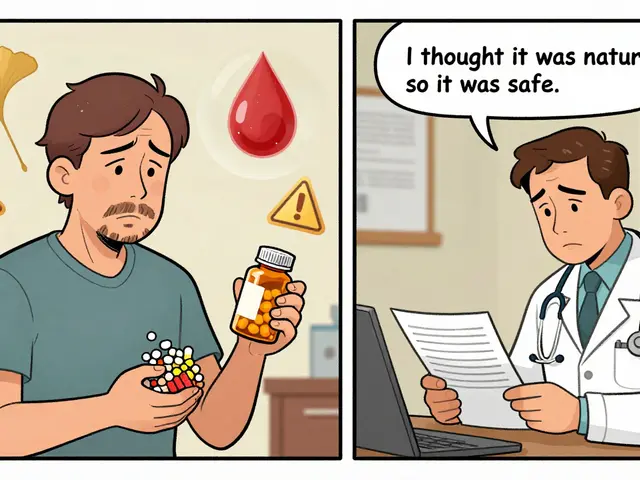
Some of the biggest culprits are blood thinners, medications designed to prevent clots but that also make bleeding harder to stop. These include warfarin, apixaban, rivaroxaban, and others in the NOAC class. But bleeding risk isn’t just about these drugs. It gets worse when you mix them with anti-inflammatory pills, like ibuprofen or naproxen, which irritate the stomach lining and thin blood further. Even common supplements like fish oil, garlic, or ginkgo can pile on the danger. And if you’re on more than one of these at once? The risk doesn’t just add up—it multiplies.
What makes this even trickier is that bleeding doesn’t always look like a cut that won’t stop. Sometimes it’s a headache that won’t go away, unusual bruising, dark stools, or just feeling unusually tired. These aren’t normal. They’re red flags. And when they happen, timing is everything. That’s why knowing about reversal agents, special drugs that can undo the effects of blood thinners in emergencies matters. Idarucizumab for dabigatran, andexanet alfa for factor Xa inhibitors—these aren’t just fancy names. They’re lifelines. But they’re expensive, hard to get quickly, and only work if you act fast.
You don’t need to be scared of your meds. But you do need to be informed. The posts below cover exactly what you need: how to spot early signs of internal bleeding, what drugs are safest when you’re already at risk, how to talk to your pharmacist about interactions, and what to keep on hand if things go wrong. You’ll find real-world advice from people who’ve been there—how to read medication guides to find hidden dangers, how to handle emergencies without waiting for an ambulance, and how to avoid the most common mistakes that lead to hospital visits. This isn’t theory. It’s what keeps people alive.