
Living with a chronic disease doesn’t mean giving up on daily life. It means learning how to manage it-day by day, step by step. Millions of people with conditions like diabetes, arthritis, heart disease, or COPD are finding that the key to feeling better isn’t just medication. It’s self-management. And there are real, proven tools to help you do it.
What Self-Management Really Means
Self-management isn’t about doing everything alone. It’s about becoming the captain of your own health team. You’re not replacing your doctor-you’re working better with them. The goal? To reduce pain, lower stress, move more, sleep better, and feel more in control. The Stanford Chronic Disease Self-Management Program (CDSMP), developed in the 1990s, laid the foundation. It’s not a one-size-fits-all cure. It’s a six-week workshop where people with different conditions learn the same core skills: how to solve problems, make decisions, set small goals, and talk to doctors more effectively. Over 45 U.S. states run this program today, and it’s backed by decades of data showing real results. Participants don’t just feel hopeful-they feel stronger. Studies show a 23% improvement in symptom management compared to those who don’t take part. People report walking more, sleeping better, and calling their doctors less often because they know what to do when things flare up.The Six Core Skills You Actually Need
You don’t need to master every skill at once. Start with one. But here’s what works for most people:- Problem solving: Instead of saying, “My knees hurt too much to walk,” you ask, “What can I change?” Maybe it’s a different chair, a short walk in the morning, or a knee brace. You test small fixes.
- Decision making: You learn to weigh options. Should you take that extra pain pill? Is it worth skipping your walk today? You track what works and what doesn’t.
- Using resources: You find out what’s actually available-free exercise classes, meal planning guides, transportation help, or even online support groups.
- Partnering with your doctor: You stop just nodding along. You come to appointments with a list: “I’ve been dizzy after lunch,” “My blood sugar spiked after pasta.” You ask: “What’s the next step?”
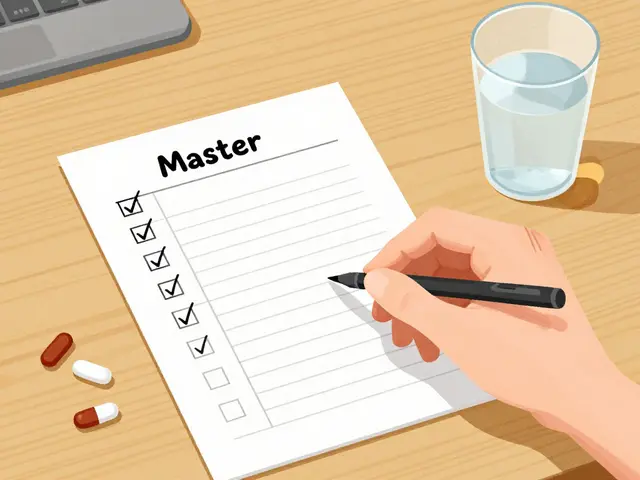
- Creating action plans: Not vague goals like “I’ll exercise more.” Specific ones: “I’ll walk 10 minutes after breakfast, Monday, Wednesday, Friday.” You write it down. You stick it on the fridge.
- Self-tailoring: You adapt. If you’re tired, you do seated stretches. If you’re in pain, you rest. You learn your body’s rhythms, not a textbook schedule.
In-Person Workshops: The Gold Standard
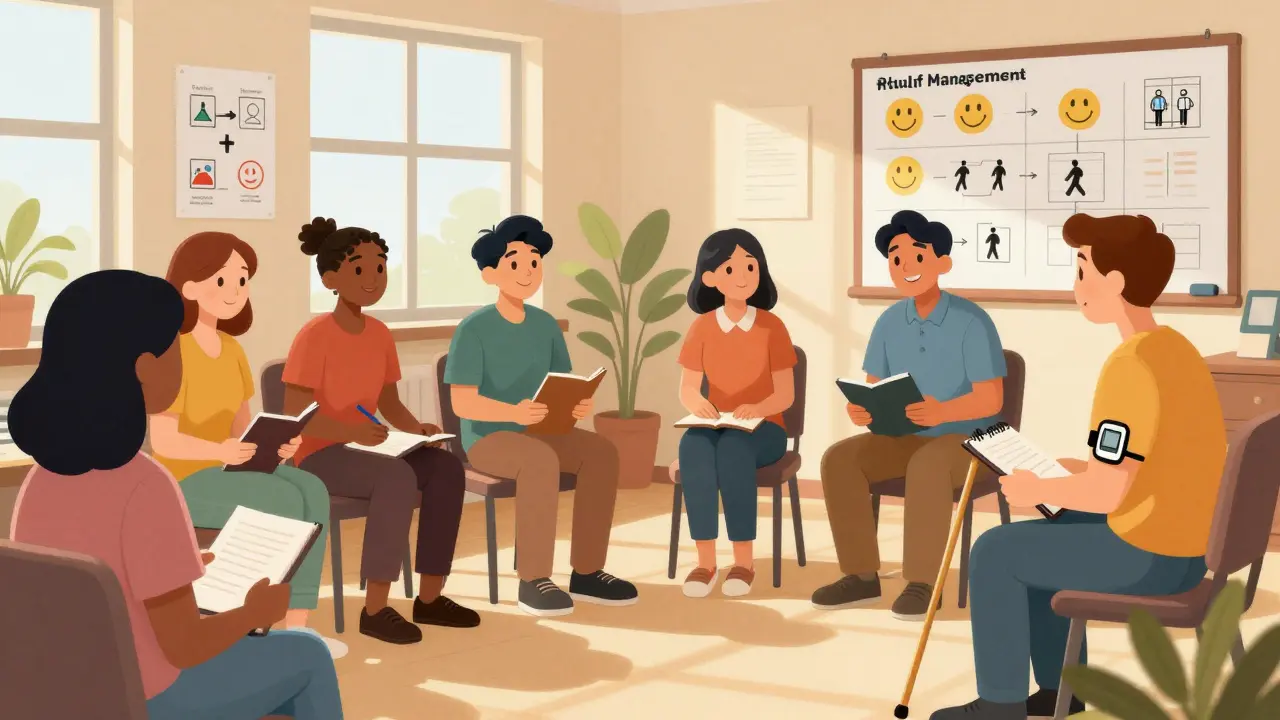
The original CDSMP is still the most effective model. It’s a six-week course, 2.5 hours a week, led by two trained peer leaders-people who also live with chronic conditions. No doctors. No nurses. Just people who get it. Why does this work? Because you’re not alone. You hear someone say, “I used to cry every time I had to check my blood sugar,” and suddenly you don’t feel broken. You feel understood. Completion rates are high-72% of people finish the full program. And the results stick. A 12-month follow-up shows people are still walking more, managing stress better, and feeling less overwhelmed. These workshops are free or low-cost in most places. Medicare even covers them. You can find one near you through your local health department, hospital, or the Self-Management Resource Center.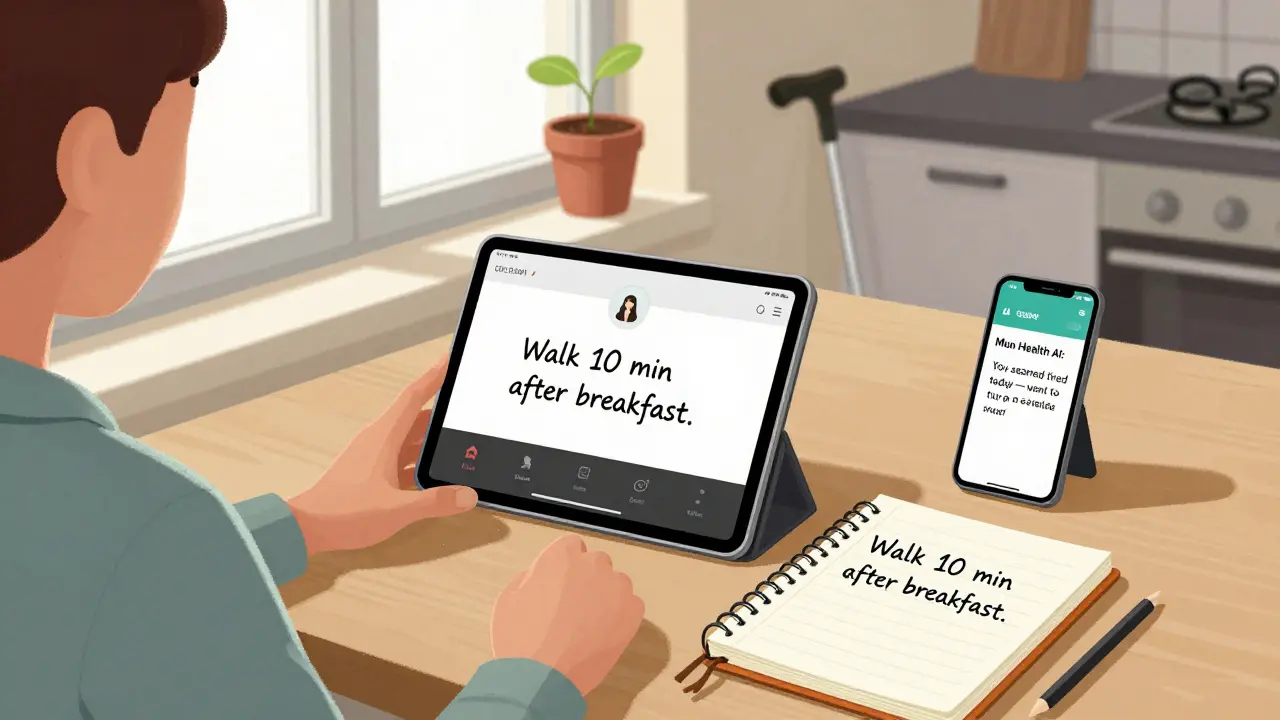
Digital Tools: Convenience vs. Connection
Life is busy. Travel is hard. That’s why digital options like Better Choices, Better Health® (the online version of CDSMP) exist. You log in 2-3 times a week, watch short videos, join discussion boards, and set your own pace. They’re great for rural areas where no workshops exist. One study showed they reach 37% more people in remote communities. But they’re not as powerful. Completion rates drop to 58%. Adherence to complex medication routines is 22% lower without peer support. And if you’re struggling emotionally? Most apps don’t help. That’s changing. New tools like Mun Health’s AI companion are designed to respond to mood and stress-not just symptoms. Early users report 85% satisfaction. But these are still new. And they don’t replace human connection. One user on Reddit said: “Writing my action plan in CDSMP helped me go from 1,200 steps a day to 5,800 in eight weeks. My Fitbit proved it.” That kind of change doesn’t happen with a bot.What Tools Actually Work? A Quick Comparison
| Tool Type | Completion Rate | Best For | Limitations |
|---|---|---|---|
| CDSMP (In-Person Workshop) | 72% | People who want structure, support, and accountability | Requires transportation, fixed schedule |
| Better Choices, Better Health® (Online) | 58% | Rural residents, busy schedules, mobility issues | Limited emotional support, lower adherence to meds |
| ProACT (Digital Platform) | 28% improvement in behavior (study) | People with 2+ chronic conditions, tech-savvy users | Requires smartphone, internet, clinician integration |
| Mun Health (AI Companion) | 85% user satisfaction (pilot) | Emotional support, culturally diverse populations | New, not widely available, no clinical guidance |
Getting Started: Your First 3 Steps
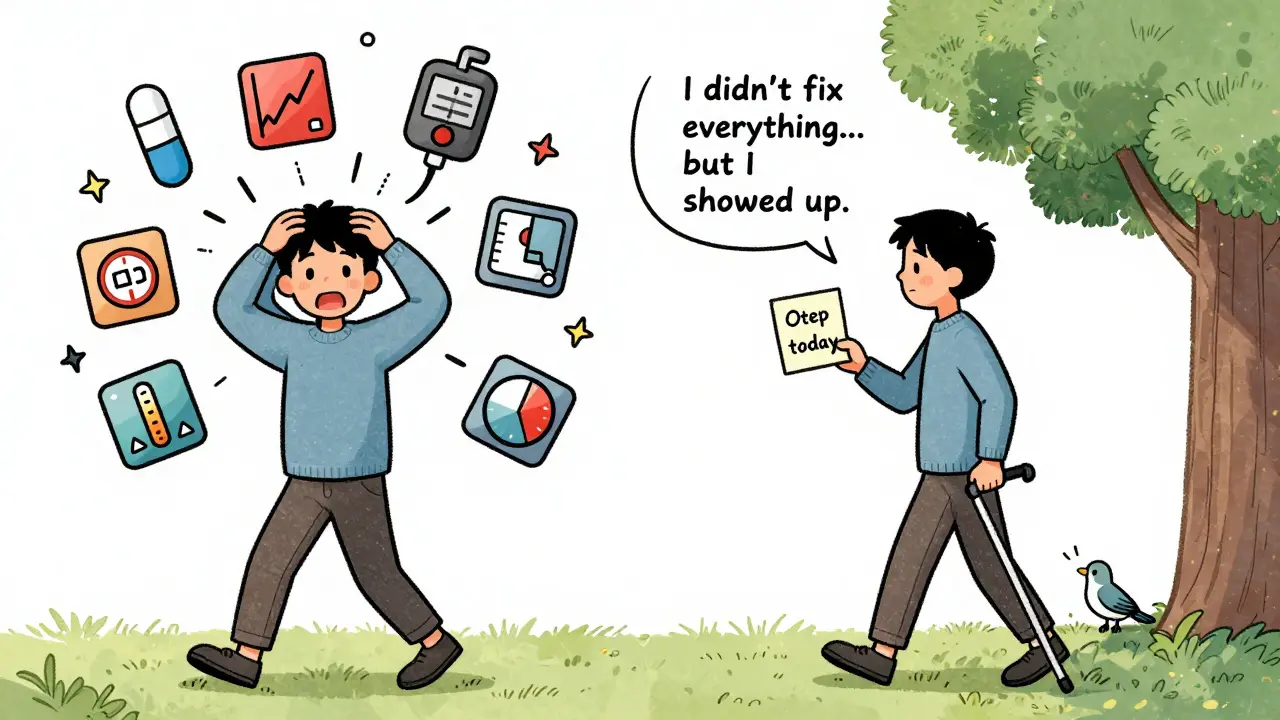
You don’t need to overhaul your life overnight. Start small.- Assess where you are. Ask yourself: What’s the one thing that drains you most? Pain? Fatigue? Worry? Pick one.
- Write one tiny action plan. Not “I’ll exercise.” Try: “I’ll sit in the sun for 10 minutes after breakfast, three times this week.”
- Find one resource. Go to your local library. Ask about free chronic disease programs. Or search “CDSMP near me.” Most are free.
Common Pitfalls (And How to Avoid Them)
Not everyone succeeds. Here’s what trips people up-and how to dodge it:- Overloading too fast: Trying to track blood sugar, meds, diet, and exercise all at once? That’s a recipe for burnout. Start with one habit.
- Ignoring emotions: Chronic illness is exhausting. If you’re feeling hopeless, that’s not weakness-it’s normal. Find a support group. Talk to someone.
- Not tracking: If you don’t write it down, you won’t see progress. Use a notebook, phone app, or even sticky notes. Progress is invisible without records.
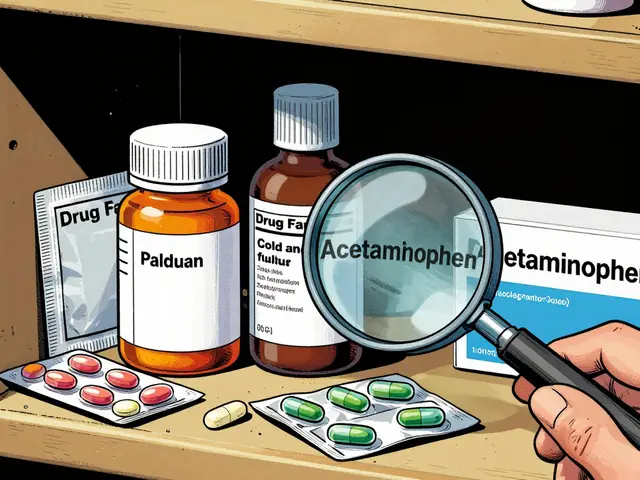
- Trying to self-adjust meds: Never change your dose without talking to your doctor. Self-management doesn’t mean self-prescribing.
Why This Matters More Than Ever
By 2030, 171 million Americans will have two or more chronic conditions. That’s more than half the population. The system can’t keep up. The solution isn’t more doctors. It’s empowered patients. The CDC now calls self-management education an “essential component” of care. Medicare covers it. Hospitals are expanding it. And the tools are getting smarter. But the most powerful tool? Still the one you build yourself-with a notebook, a friend, a walk around the block, and the quiet belief that you can do this.Can I do self-management if I have memory problems?
Yes. Many programs offer simplified tools like visual calendars, pill boxes with alarms, or caregiver support. The CDSMP workbook is written at a 6th-8th grade level and includes large print options. Digital tools like ProACT can send reminders to a family member’s phone if needed.
Are these programs free?
Most in-person CDSMP workshops are free or cost under $20. Online versions like Better Choices, Better Health® are free. Medicare covers Diabetes Self-Management Training (DSMT) and other certified programs. Check with your local Area Agency on Aging or hospital for no-cost options.
Do I need to be tech-savvy to use digital tools?
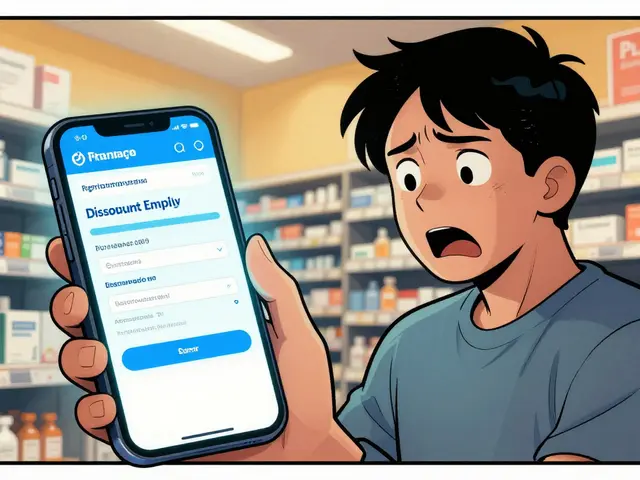
No. Many apps are designed for older adults with simple interfaces. Some even offer phone-based support-just call in to get your weekly lesson. If you’re unsure, ask a family member, librarian, or community health worker to help you set it up once. After that, you’ll get used to it.
What if I can’t leave my house?
Online programs like Better Choices, Better Health® work from home. Some health systems offer virtual workshops via Zoom. Even phone-based support groups exist. You don’t need to go anywhere to benefit. The key is showing up-digitally.
How long until I see results?
Most people notice small changes within 2-4 weeks: sleeping better, feeling less anxious, walking a little farther. Big changes-like fewer hospital visits-take 3-6 months. The program isn’t a quick fix. It’s a new way of living.
Is this only for older adults?
No. While many participants are seniors, the tools work for anyone with a long-term condition-whether you’re 30 with Crohn’s disease or 55 with heart failure. The skills are universal. The program adapts to your life, not the other way around.
Next Steps: What to Do Today
You don’t need to wait for a perfect moment. Start now.- Search “CDSMP near me” or “chronic disease self-management program [your city].”
- Call your doctor and ask: “Do you refer patients to self-management programs?”
- Download the free CDSMP workbook from the Self-Management Resource Center website.
- Write down one thing you want to improve this week. Then write one small step to get there.
8 Comments
I’ve been in the CDSMP program for six months now. It’s not magic, but it’s real. I used to dread my doctor visits because I had nothing to say. Now I bring a list. Small stuff. Like how my knees act up after rain. Turns out, that’s normal. And knowing that? Makes all the difference.
Also, I started walking after breakfast. Just 10 minutes. No fancy gear. Just shoes and a coffee cup. My Fitbit says I’ve added 2,000 steps a week. Feels good to track it.
Biggest win? I stopped feeling like a burden. That’s the quiet stuff they don’t talk about in brochures.
Oh sweet mercy, another ‘just walk more’ pamphlet. I love how we turn chronic illness into a DIY motivational poster. ‘Write it on the fridge!’ Yeah, right. My fridge has three notes from 2019 that say ‘call Dr. Patel’ and I still haven’t.
But hey, if you’re into group hugs and peer leaders who’ve also got arthritis, go for it. Meanwhile, I’ll be here with my actual meds and my actual pain. No workshop required.
Faith, I hear you. The ‘just walk more’ stuff can feel dismissive. But I’ve seen people who were bedridden start walking again-not because someone yelled at them to ‘be positive,’ but because they had someone sit with them while they tried.
The CDSMP isn’t about ignoring pain. It’s about learning how to live with it without losing yourself. I had a participant last year who could barely stand. After six weeks, she started gardening. Not because she was ‘fixed.’ But because she finally felt like she had permission to try.
And yeah, the fridge note thing? Real. I’ve got one that says ‘try seated yoga’ and it’s been there for 14 months. Still counts.
USA always think they have the best solution. In Nigeria we have traditional healers, family support, and real community. No need for some fancy workshop with white people talking about ‘action plans’ and Fitbits. Your system is broken. You over-medicalize everything. We don’t need apps to tell us how to breathe. We have God, family, and patience.
Also your spelling is bad. ‘CDSMP’? Who made this up? It sounds like a government scam. We don’t need your Western tools. We need your money to fix your hospitals, not your mindset.
The stats are cherry picked. Completion rate 72%? What about dropout? What’s the attrition after 6 months? Who funded the study? Did they control for baseline severity? No one talks about that. Also the AI thing is hype. 85% satisfaction? Satisfaction isn’t efficacy. You can be satisfied with a broken toaster. Also why is everyone using Fitbits? Are we all now obsessed with step counts? Pathetic.
I’m 32. Have Crohn’s. Didn’t think any of this would work for me. Too young for ‘old person programs.’ But I tried the online version. Just watched one video. Then wrote down one thing: ‘drink water before coffee.’
Did it for 10 days. Felt better. Not cured. Just… less awful.
Now I’m signing up for the in-person one. Not because it’s perfect. But because I’m tired of feeling alone in this. And that’s worth something.
Start small. That’s the whole secret. Don’t try to fix everything at once. One step. One day. One choice.
I used to think I had to be perfect. Then I realized: it’s not about being perfect. It’s about showing up. Even if you only walk to the mailbox. Even if you only drink water. Even if you just write one thing on a sticky note.
That’s how people change. Not with apps. Not with pills. With tiny, stubborn, daily choices.
You got this. Seriously. You really do.
OMG YES. I just started the CDSMP class last week. I cried in the first session because someone said, ‘I used to hate checking my glucose, now I just do it like brushing my teeth.’ I’ve been avoiding mine for two years. Now I’m gonna try. Just one day at a time.
Also, the peer leaders? One of them has a cane and a cat named Mochi. She’s hilarious. And real. No fake positivity. Just, ‘Yeah, some days suck. But let’s figure out why.’
Thank you for writing this. I needed to see this today.
P.S. I already wrote my action plan on my bathroom mirror. It says: ‘Drink water. Sit down. Breathe.’
It’s working.