Dry Mouth Oral Care Routine: Step‑by‑Step Guide for a Comfortable Smile
Learn how to build a dry‑mouth‑friendly oral care routine that protects teeth, reduces discomfort, and keeps your smile healthy.

If you’ve ever felt a burning sting after rinsing, you’ve met the culprit: alcohol. Many traditional mouthwashes use ethanol to kill bacteria, but the side‑effects can be harsh for sensitive mouths. An alcohol‑free formula swaps the burn for a milder, soothing cleanse while still fighting plaque and freshening breath. The result? A rinse that’s kinder to gums, better for dry‑mouth sufferers, and just as effective at keeping your smile fresh.
First off, no more burning sensation. Without ethanol, the rinse won’t irritate oral tissues, making it safe for people with braces, gums that recede, or periodontal disease. Second, alcohol can dry out the mouth by reducing saliva, and saliva is your natural defense against cavities. An alcohol‑free mouthwash preserves moisture, which helps neutralize acids and wash away food particles. Third, many of these formulas include soothing ingredients like aloe vera, chamomile, or xylitol, which can actually help repair enamel and reduce plaque buildup. Finally, they’re usually low‑odor, so you won’t end up smelling like a liquor store after each use.
For those who use mouthwash multiple times a day—say after workouts or before a big meeting—an alcohol‑free option prevents the cumulative irritation that can lead to bleeding or soreness. It’s also a smart choice for kids and seniors, whose oral tissues are often more delicate.
Start by checking the label for active ingredients. Look for fluoride if you want extra cavity protection, or cetylpyridinium chloride (CPC) for a strong antibacterial punch without alcohol. If you’re battling bad breath, a rinse with zinc or essential oils like peppermint and tea tree can help neutralize odor‑causing compounds.
Flavor matters, too. Some people prefer a milder mint, while others like a burst of citrus. Test a small sample if you can—many pharmacies offer travel‑size bottles. Also, verify that the product is ADA‑approved or carries a seal from a reputable dental organization. This guarantees the rinse has been clinically tested for safety and efficacy.
Budget-friendly options often come in bulk or generic brands that match the ingredient list of pricey name‑brands. Don’t assume a higher price means better performance; read reviews and compare active components.
When you start using a new mouthwash, give it a week before judging its impact. Rinse for 30 seconds, avoid swallowing, and follow up with water if you feel any lingering aftertaste. Consistency is key—use it once or twice daily alongside regular brushing and flossing for the best results.
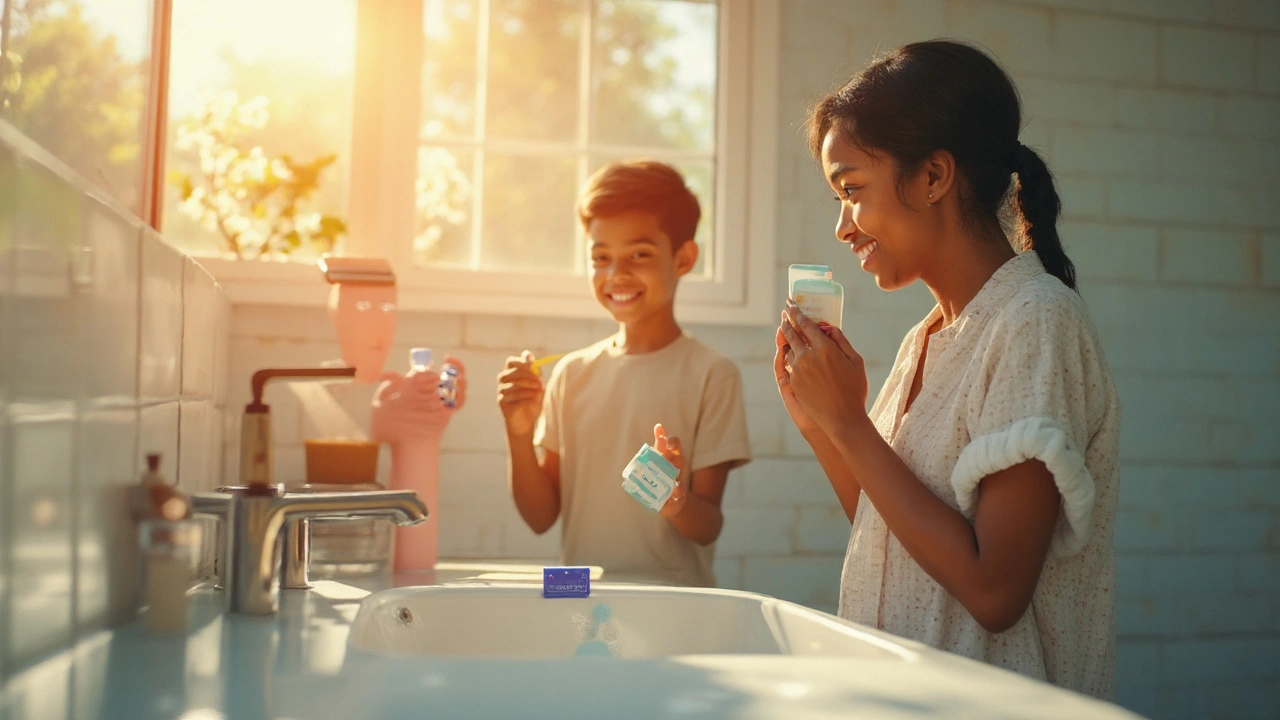
So, whether you’re dealing with sensitive gums, dry mouth, or just hate that burning feeling, an alcohol‑free mouthwash is a simple upgrade. Pick a formula that matches your dental needs, stick to a regular routine, and enjoy a fresh, comfortable mouth without the sting.
Learn how to build a dry‑mouth‑friendly oral care routine that protects teeth, reduces discomfort, and keeps your smile healthy.