Perennial Allergies: Triggers, Treatments, and How to Manage Them Year-Round
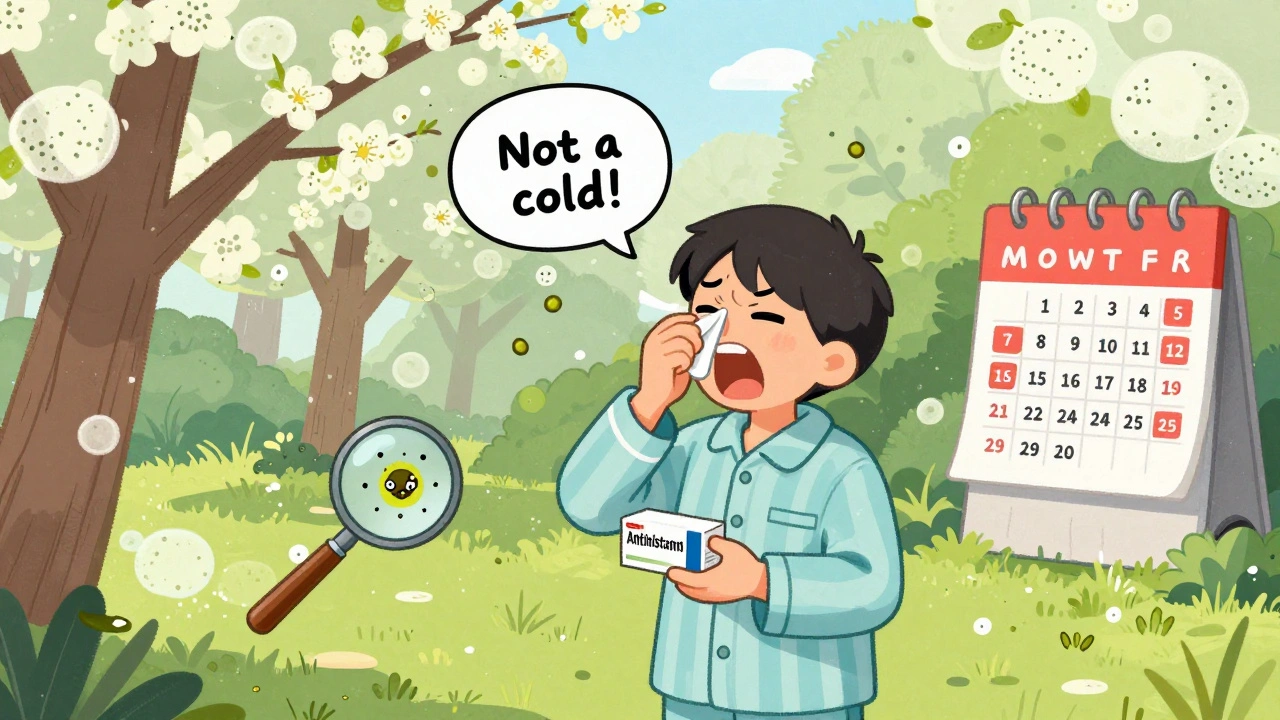
When your nose runs, your eyes itch, and you feel tired all year—even in winter—you’re not just catching colds. You might be dealing with perennial allergies, chronic allergic reactions triggered by indoor substances that are present year-round. Also known as year-round allergies, they’re caused by things like dust mites, pet dander, mold, and cockroach particles—not pollen, which comes and goes with the seasons. Unlike seasonal allergies that fade after a few months, perennial allergies don’t take breaks. They’re why you wake up congested in January, sneeze in July, and still feel stuffy after cleaning the house in November.
These allergies are linked to indoor allergens, tiny particles that cling to fabrics, bedding, and surfaces inside your home. Dust mites thrive in warm, humid environments like mattresses and pillows. Pet dander sticks to furniture and clothes—even if your pet doesn’t live in the room. Mold grows in damp areas like bathrooms and basements. And if you live in an older building, cockroach droppings might be silently triggering your symptoms. These aren’t just annoyances—they’re constant irritants that can worsen asthma, disrupt sleep, and make daily life exhausting.
Many people treat perennial allergies the same way they treat hay fever—reaching for over-the-counter antihistamines. But that’s often not enough. nasal corticosteroids, prescription sprays that reduce inflammation in the nasal passages are far more effective for long-term control. They don’t work overnight, but after a few days of consistent use, they cut congestion, sneezing, and post-nasal drip significantly. For some, allergy testing, skin or blood tests that identify exactly what you’re reacting to makes all the difference. Knowing whether it’s your cat, your carpet, or your humidifier lets you target the real problem—not just mask symptoms.
What you’ll find in the posts below isn’t just a list of meds. It’s real talk about what works, what doesn’t, and how to avoid traps. You’ll learn why some people react to generic nasal sprays but not the brand-name version—because of inactive ingredients, not the active drug. You’ll see how oral food challenges helped others rule out food allergies mistaken for perennial symptoms. You’ll find out how occupational contact dermatitis can look like an allergy but needs a totally different fix. And you’ll get clear advice on how to time your meds, reduce exposure, and stop guessing what’s making you feel awful.
Perennial allergies don’t go away on their own. But they don’t have to control your life either. With the right info, you can take back your breathing, your sleep, and your days—without relying on luck or hope.