Miconazole for Nail Fungus: Does It Work? Evidence, Uses, and Better Options (2025)
Wondering if miconazole treats nail fungus? Clear answer, how-to, expected results, safer alternatives, and when to see a doctor-updated for 2025 in Australia.

If you’ve ever looked at a yellowed, thick nail and wondered why it won’t heal, you’re not alone. Nail fungus, or onychomycosis, affects millions and can be stubborn. The good news? There are real, practical ways to tackle it without endless trial and error.
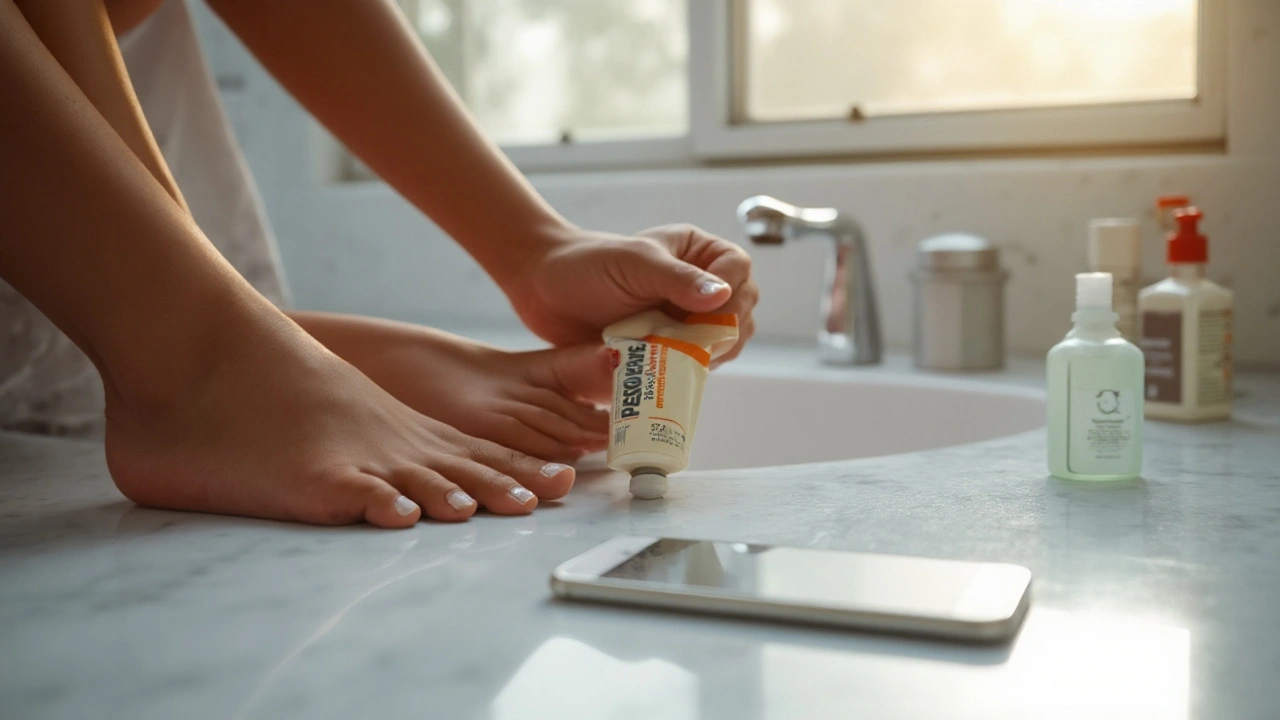
First, check the pharmacy aisle. Topical antifungal creams and lacquers like ciclopirox (Penlac) or amorolfine are designed for mild to moderate cases. Apply them exactly as the label says—usually once a day after trimming the nail. Consistency is key; you won’t see results overnight, but after 8‑12 weeks the infected nail often looks clearer.
Don’t forget about tea tree oil. It’s a natural antiseptic that some people swear by. Mix a few drops with a carrier oil, dab it on the nail, and let it dry. While not as strong as prescription meds, it can help early infections or work alongside other treatments.
When over‑the‑counter stuff fails, it’s time to see a doctor. Oral antifungals like terbinafine (Lamisil) or itraconazole (Sporanox) target the fungus from the inside out. A typical course lasts 6‑12 weeks, and labs will monitor liver function because these drugs can affect the liver.
For people who can’t take oral meds, doctors may prescribe a stronger lacquer or a combination of topical and oral therapy. This approach boosts effectiveness and reduces the chance of the fungus returning.
Never skip a doctor’s appointment just because you think you can self‑treat. A proper diagnosis confirms it’s a fungus, not a bacterial infection or psoriasis, which require different care.
Other practical tips: keep nails trimmed short, file away the thickened parts, and wear breathable shoes. Moist environments let fungus thrive, so swap sweaty socks daily and let your feet air out after workouts.
If you’re into home hacks, try soaking the affected nails in a mixture of warm water, vinegar, and a pinch of baking soda for 15 minutes daily. The acidity can slow fungal growth, but it’s an adjunct, not a main cure.
Remember, nail growth is slow—about 1 mm per month for toenails. Even after the fungus is gone, it takes months for a clear nail to fully replace the damaged one. Patience plus consistent treatment wins the battle.
Bottom line: start with an over‑the‑counter product, stay diligent, and move to prescription therapy if you see no improvement after a few weeks. Pair any medication with good foot hygiene, and you’ll give your nails the best shot at a fungus‑free future.
Wondering if miconazole treats nail fungus? Clear answer, how-to, expected results, safer alternatives, and when to see a doctor-updated for 2025 in Australia.