Flumazenil: What It Is, How It Works, and When It’s Used in Emergencies
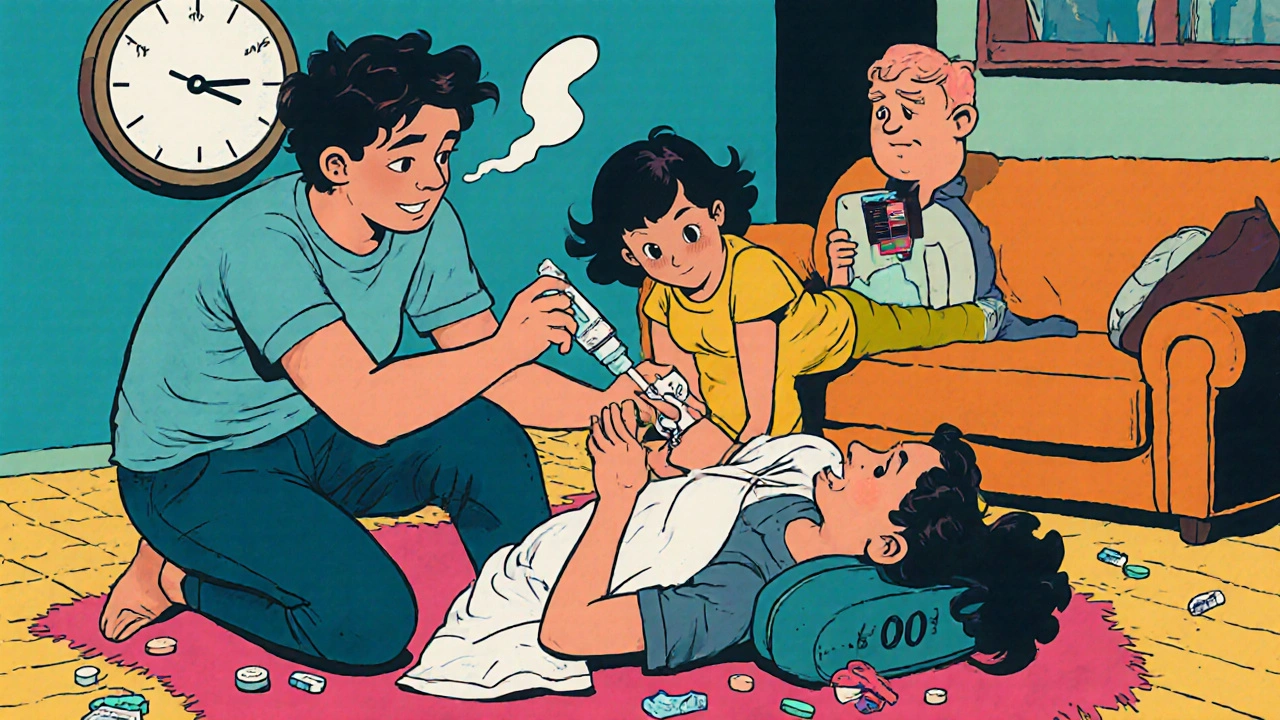
When someone overdoses on a benzodiazepine—like diazepam, alprazolam, or lorazepam—flumazenil, a selective GABA receptor antagonist used to reverse the effects of sedative drugs. Also known as a benzodiazepine reversal agent, it’s the only medication that can quickly undo the drowsiness, slowed breathing, and loss of consciousness caused by these drugs. Unlike naloxone for opioids, flumazenil doesn’t work on every drug, but when it’s needed, it can be life-saving.
Flumazenil is most often used in hospitals during overdose emergencies, especially when a patient is unresponsive or struggling to breathe after taking too many anxiety or sleep meds. It’s not a cure-all—it won’t help if someone mixed benzos with alcohol or opioids—but it’s the fastest way to reverse pure benzodiazepine toxicity. Doctors don’t use it lightly. Giving it too soon or to someone dependent on benzos can trigger seizures. That’s why it’s only given under close monitoring, often in the ER or ICU.
The science behind flumazenil is simple: benzodiazepines boost the effect of GABA, a calming brain chemical. Flumazenil blocks that effect, like a key that fits the lock but turns the wrong way. It doesn’t remove the drug from the body—it just stops it from working. That’s why its effects wear off faster than the original drug. Patients can slip back into sedation after flumazenil wears off, which is why they’re watched for hours after treatment.
Flumazenil’s use connects to other emergency reversal agents like idarucizumab, a specific antidote for the blood thinner dabigatran and andexanet alfa, used to reverse factor Xa inhibitors like apixaban and rivaroxaban. All three are precision tools—designed for one target, with no room for guesswork. They’re not for routine use. They’re for when things go wrong.
You won’t find flumazenil on pharmacy shelves. It’s not for home use. But if you or someone you know takes benzodiazepines regularly, knowing this drug exists matters. It’s part of the safety net for people on long-term anxiety meds, elderly patients on multiple sedatives, or anyone at risk of accidental overdose. The posts below cover how reversal agents work, what happens after they’re given, and how to spot the signs of a dangerous drug interaction before it turns into an emergency.
Whether you’re a patient, caregiver, or just someone trying to understand how emergency meds work, the articles here give you the facts without the jargon. You’ll find real talk about what flumazenil can and can’t do, how it fits into broader drug safety practices, and why knowing your meds isn’t just smart—it’s essential.